Understanding the Black Drum
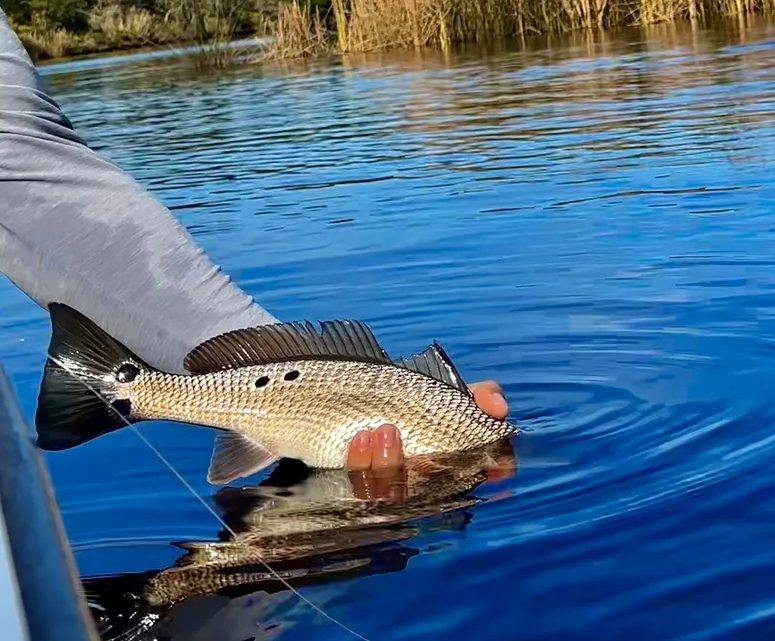
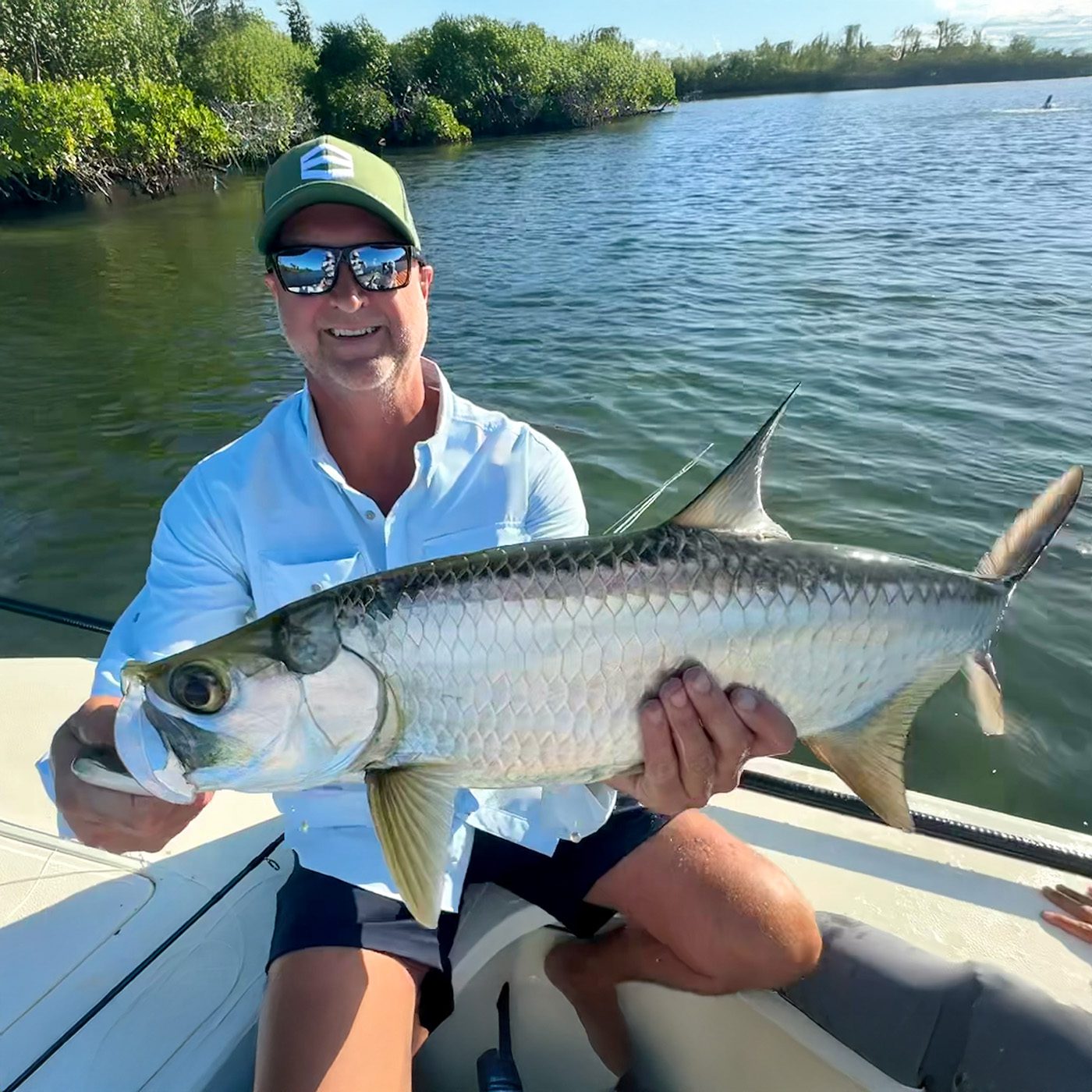
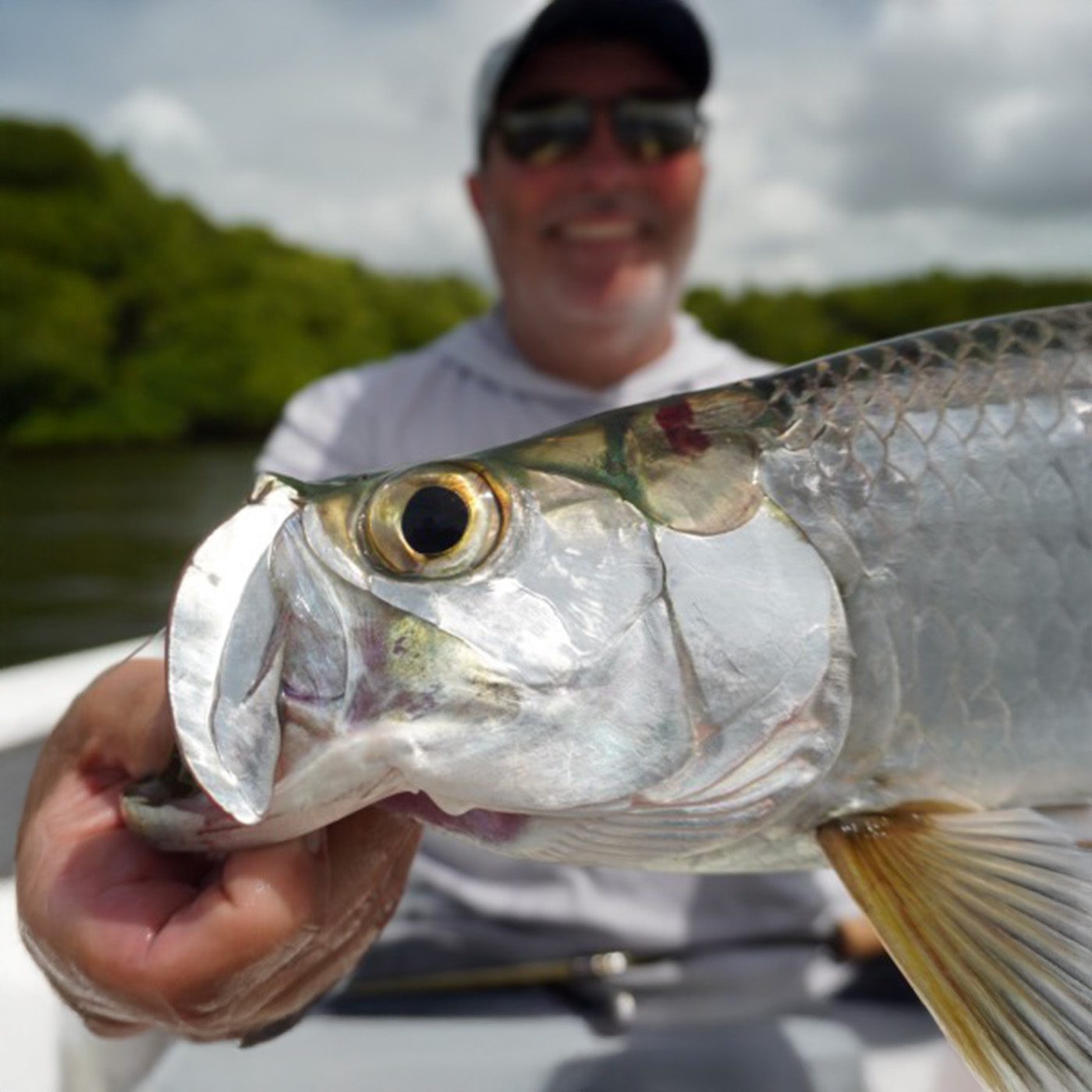
The black drum (Pogonias cromis) is a fascinating fish species that thrives in coastal and estuarine waters. Known for its distinct drumming sound and impressive size, the black drum is a prized catch among anglers and an essential component of marine ecosystems. Understanding its anatomy, behavior, and habitat can improve fishing success while promoting conservation.
If you’re interested in learning more about other species, you can find that info here.
Anatomy of the Black Drum
1. Physical Appearance
Black drum are robust, deep-bodied fish with high backs and slightly arched profiles. Their coloration ranges from silvery-gray to dark charcoal, with faint vertical stripes visible in younger fish. These stripes fade as they mature. Their large, rough scales provide protection from predators and environmental hazards.
2. Size and Growth
Black drum are among the largest members of the drum family. Adults typically weigh between 20 and 50 pounds, though some exceed 90 pounds and reach over five feet in length. Growth rates vary depending on water temperature, food availability, and habitat quality.
3. Mouth and Teeth Structure
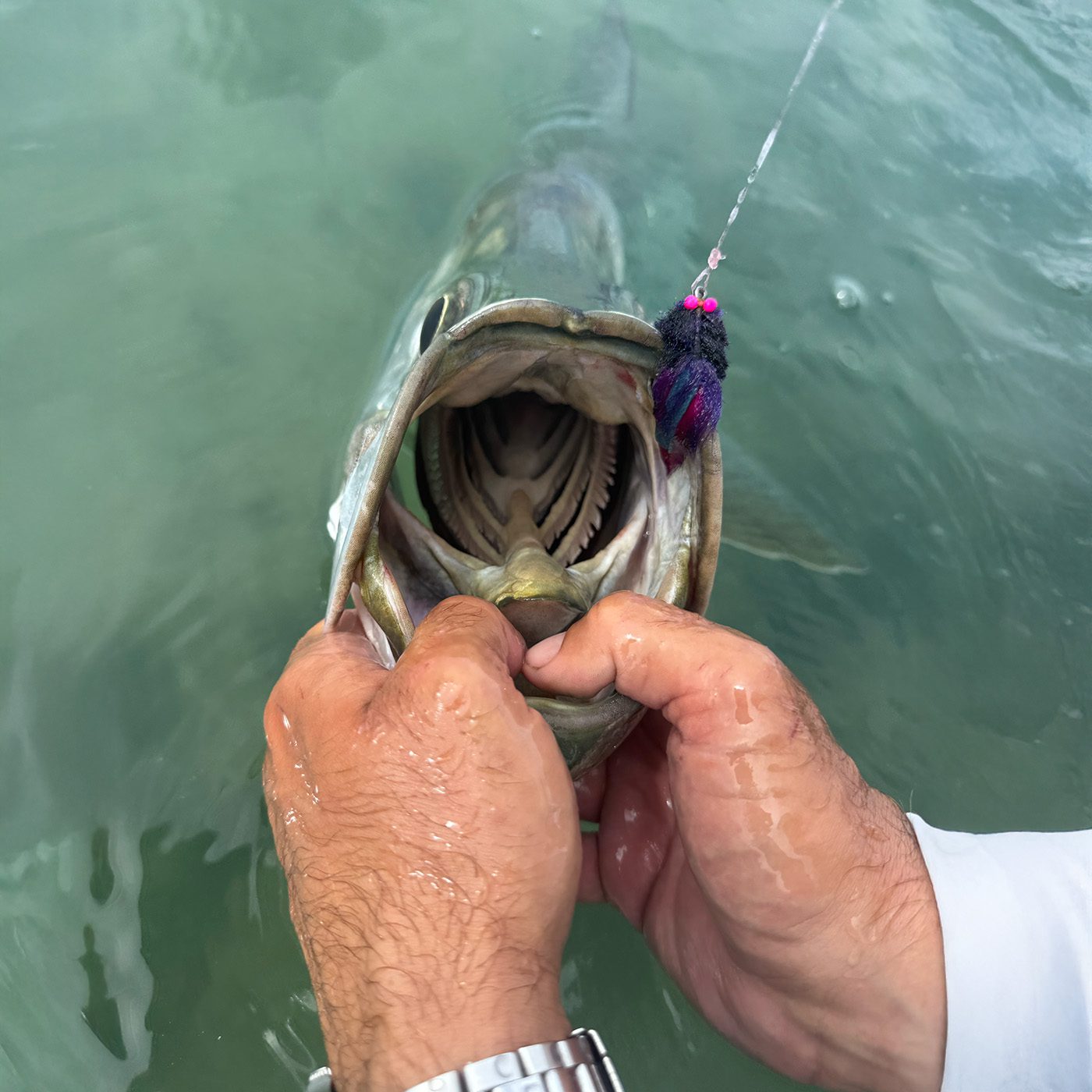
The black drum has a specialized bottom-feeding mouth with thick lips and powerful pharyngeal teeth located in the throat. These teeth are designed for crushing shells of mollusks and crustaceans. Unlike redfish, they lack sharp canine teeth and rely on grinding plates.
4. Barbels (Whiskers)
Chin barbels, or whisker-like sensory organs, help black drum locate food in murky water by detecting vibrations and chemical cues. This makes them highly effective bottom feeders.
5. Swim Bladder and Drumming Sound
Black drum produce a distinctive drumming sound by vibrating muscles against their swim bladder. This sound is used for communication and plays a key role during spawning when males attract females.
Habitat and Distribution
Black drum are found along the Atlantic and Gulf coasts of the United States, ranging from Massachusetts to Mexico. They prefer estuaries, bays, oyster beds, and nearshore waters. Juveniles inhabit shallow areas, while adults often move to deeper channels and reefs.
Estuaries serve as critical nursery habitats, offering protection and abundant food sources for young fish.
Diet and Feeding Behavior
Black drum are opportunistic bottom feeders with a diet consisting of:
- Mollusks (clams, oysters, mussels)
- Crustaceans (crabs, shrimp)
- Marine worms
- Small fish
They use their barbels to detect prey and suction to feed, often targeting oyster reefs and shell beds.
Life Cycle and Reproduction
1. Spawning Season
Black drum spawn from late winter through early spring, peaking between February and April. Spawning occurs in deeper waters near inlets and coastal bays.
2. Egg Development
Females release millions of eggs per cycle. Eggs hatch within 24 hours, and juveniles migrate to estuaries for protection and growth.
3. Lifespan
Black drum can live 50 to 60 years. Most reach maturity between 4 and 6 years of age.
Fishing for Black Drum
1. Best Locations
- Oyster beds and shell bars
- Mudflats and sandbars
- Inlets and passes
- Bridge and pier pilings
2. Effective Bait
- Blue crabs
- Shrimp
- Clams and mussels
- Squid
3. Recommended Gear
- Rod: Medium to heavy (7–9 ft)
- Reel: Strong drag system
- Line: 20–50 lb braid or mono
- Leader: 30–60 lb fluorocarbon
4. Techniques
- Bottom fishing with Carolina or fish-finder rigs
- Drift fishing with current
- Sight fishing in shallow water
5. Catch and Release
Large black drum are often released due to tougher meat and their importance to breeding populations. Proper handling includes:
- Using a landing net
- Avoiding gill lifting
- Supporting the fish’s body
- Reviving before release
Conservation and Regulations
Black drum populations remain stable due to regulations such as:
- Slot limits
- Bag limits
- Seasonal closures
Always check local regulations before fishing.
Final Thoughts
Black drum are a unique and important species in coastal ecosystems. Their feeding habits, drumming ability, and adaptability make them both a rewarding catch and a fascinating subject. Practicing sustainable fishing ensures future generations can continue to enjoy targeting these incredible fish.