Understanding Solunar Theory

The Solunar Theory, a concept familiar to anglers, hunters, and nature enthusiasts, offers profound insights into the natural rhythms of life on Earth. It explores the relationship between the movements of celestial bodies—namely the sun and moon—and their influence on animal behavior. Introduced by John Alden Knight in 1926, this theory has since gained widespread acceptance and practical application in outdoor pursuits. But what exactly is Solunar Theory, and how can understanding it enhance your connection to nature? Let’s dive in.
The Origins of Solunar Theory
John Alden Knight, an avid outdoorsman, studied patterns in animal activity and their correlation with celestial events. His observations identified three primary factors influencing behavior: the position of the sun, the moon, and the tides. Knight combined these elements to develop the Solunar Theory, suggesting that animal activity peaks during specific periods known as “Solunar Periods.”
The name “Solunar” comes from “sol” (sun) and “lunar” (moon), emphasizing the theory’s focus on celestial movements. Over time, Knight’s work gained credibility and became widely used among outdoor enthusiasts.
The Science Behind Solunar Theory
Solunar Theory is based on the gravitational pull of the sun and moon and its effect on tides and light cycles, which influence animal behavior.
- Gravitational Forces: The sun and moon drive tidal movement, impacting marine and coastal wildlife activity.
- Moon Phases: New and full moons create stronger gravitational forces and increased nighttime light, boosting activity.
- Light Cycles: Many animals are most active at dawn and dusk, aligning with optimal light conditions for feeding and safety.
Solunar Periods: Major and Minor
Solunar Theory identifies two key activity periods:
- Major Periods: Occur when the moon is directly overhead or underfoot. These last about 2 hours and represent peak activity.
- Minor Periods: Occur when the moon is at a 90-degree angle. These last about 1 hour and still offer increased activity.
Practical Applications of Solunar Theory
Fishing
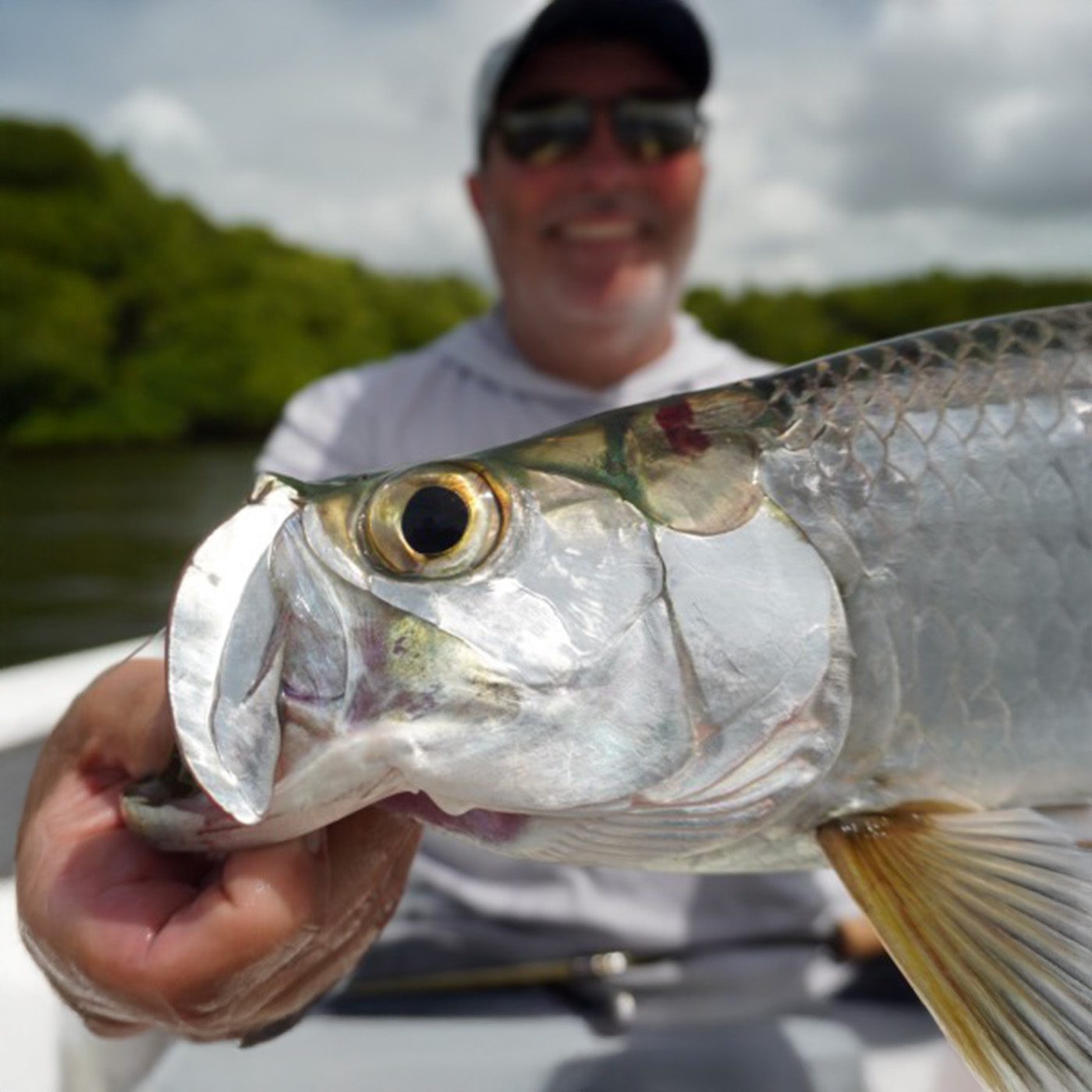
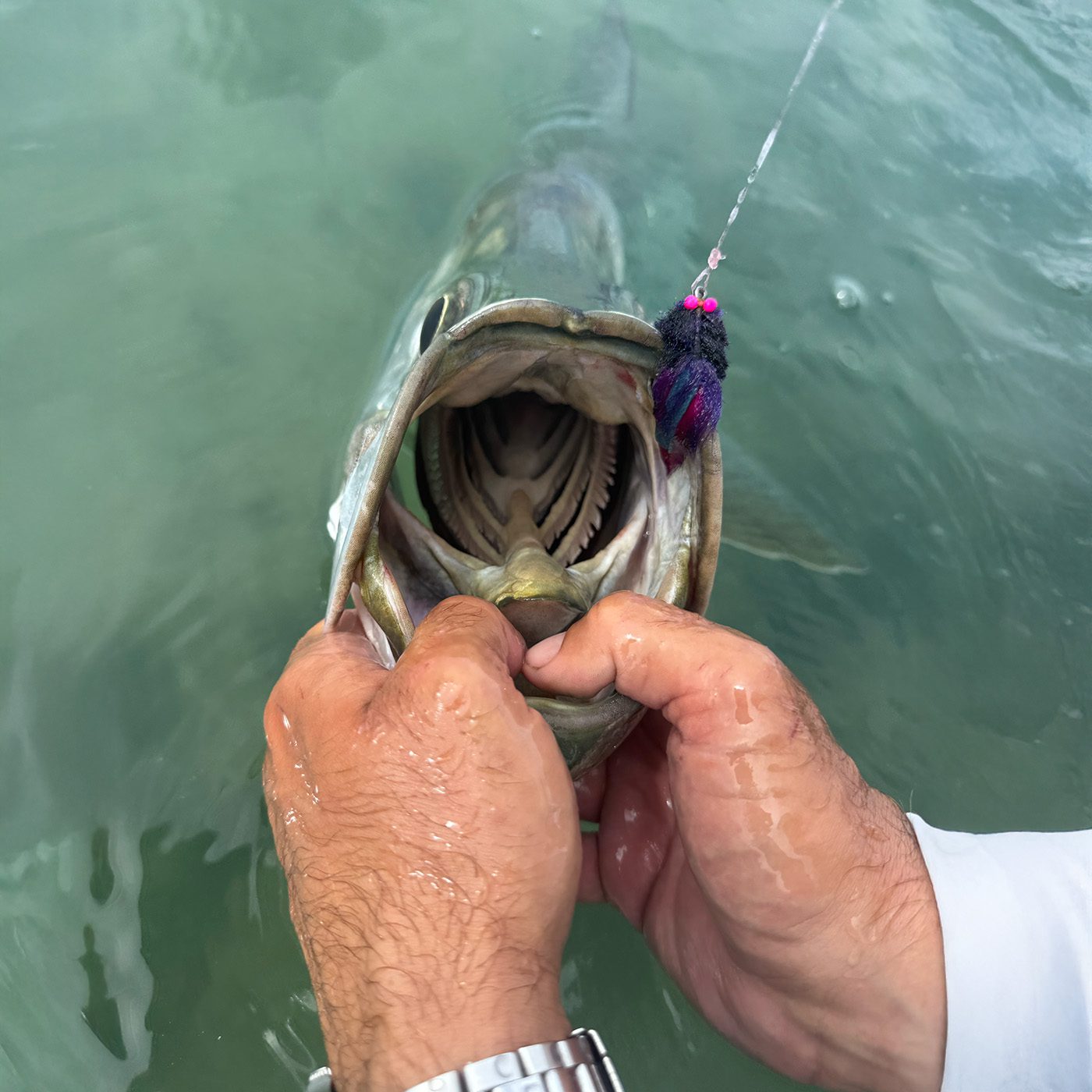
Anglers use Solunar Theory to predict feeding times. Fish are often more active during major periods, especially around full and new moons and during tidal movements.
Hunting
Game animals tend to move more during Solunar periods. Planning hunts during these windows increases the chances of success.
Wildlife Observation
Birdwatchers and photographers use Solunar tables to identify peak activity times, improving opportunities to observe wildlife.
Factors Influencing Solunar Activity
- Weather Conditions: Fronts, wind, and precipitation can override Solunar patterns.
- Seasonal Changes: Migration, breeding, and feeding cycles affect activity.
- Local Habitat: Water temperature, vegetation, and food sources influence behavior.
Using Solunar Tables
Solunar tables provide predictions for major and minor periods based on location and time. These are widely available online and in apps.
- Location: Ensure accuracy for your specific area.
- Moon Phase: Full and new moons typically increase activity.
- Tidal Data: Combine with tide charts for better results in fishing.
Critiques and Limitations
While effective, Solunar Theory is not absolute. Animal behavior is influenced by many variables, including weather, human activity, and environmental changes. However, it remains a valuable tool when used alongside experience and observation.
Embracing Nature’s Rhythms
The beauty of Solunar Theory lies in its ability to deepen our connection to nature. By aligning activities with the movements of the sun and moon, outdoor enthusiasts can experience more productive and meaningful adventures.
Whether you’re fishing, hunting, or observing wildlife, understanding Solunar Theory helps you work with nature instead of against it. The next time you plan an outing, check a Solunar table and let nature’s clock guide you.