Understanding Tarpon Anatomy and Behavior
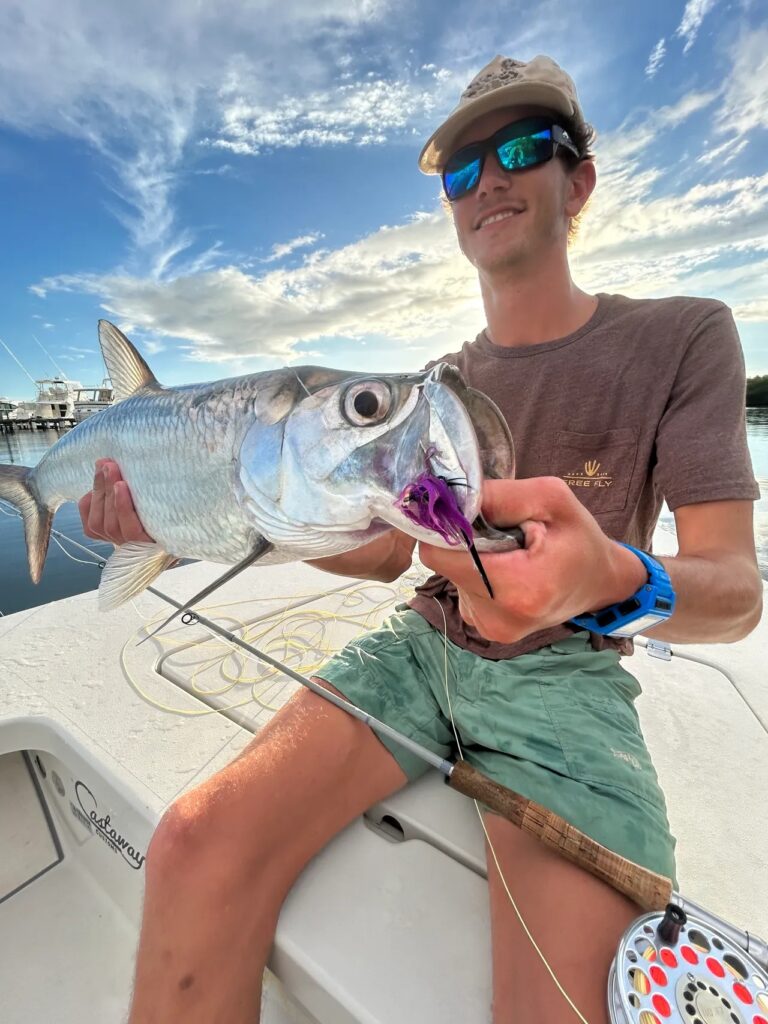
Tarpon, often referred to as the “silver king,” are one of the most sought-after game fish in the world. Their impressive size, acrobatic leaps, and fighting spirit make them a favorite among anglers. To truly appreciate these magnificent creatures and improve your chances of catching one, it helps to have a solid understanding of their anatomy and behavior. This article delves deep into the biology and habits of tarpon, providing insights that can enhance your fishing strategy.
The Basics of Tarpon Anatomy
Tarpon belong to the genus Megalops, with two primary species: the Atlantic tarpon (Megalops atlanticus) and the Indo-Pacific tarpon (Megalops cyprinoides). Here, we focus on the Atlantic tarpon, found in the western Atlantic Ocean, Gulf of Mexico, and the Caribbean Sea.
1. Size and Shape
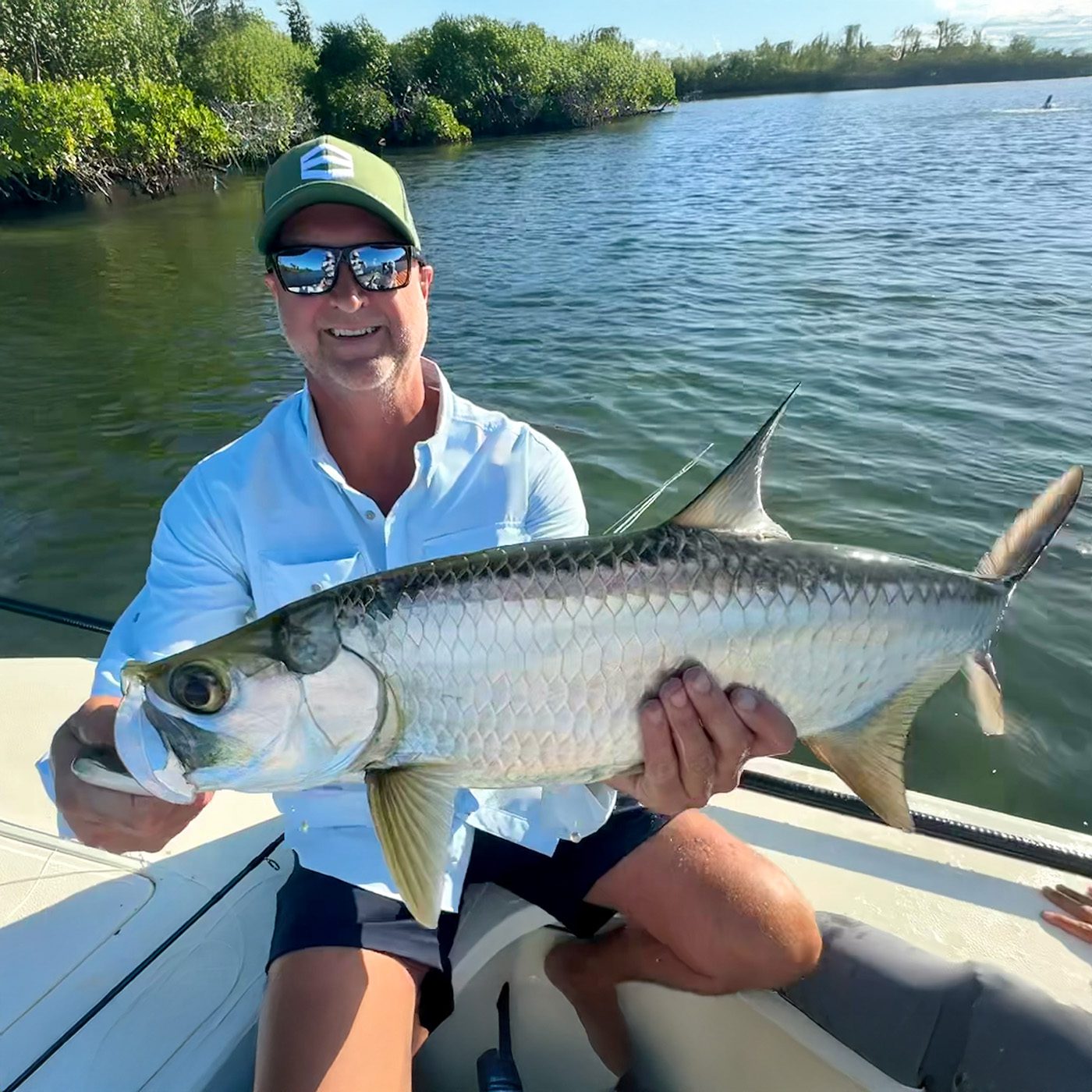
Tarpon are large, elongated fish that can grow up to 8 feet in length and weigh over 280 pounds. Their streamlined bodies are built for efficient swimming, making them powerful predators and strong fighters.
2. Scales
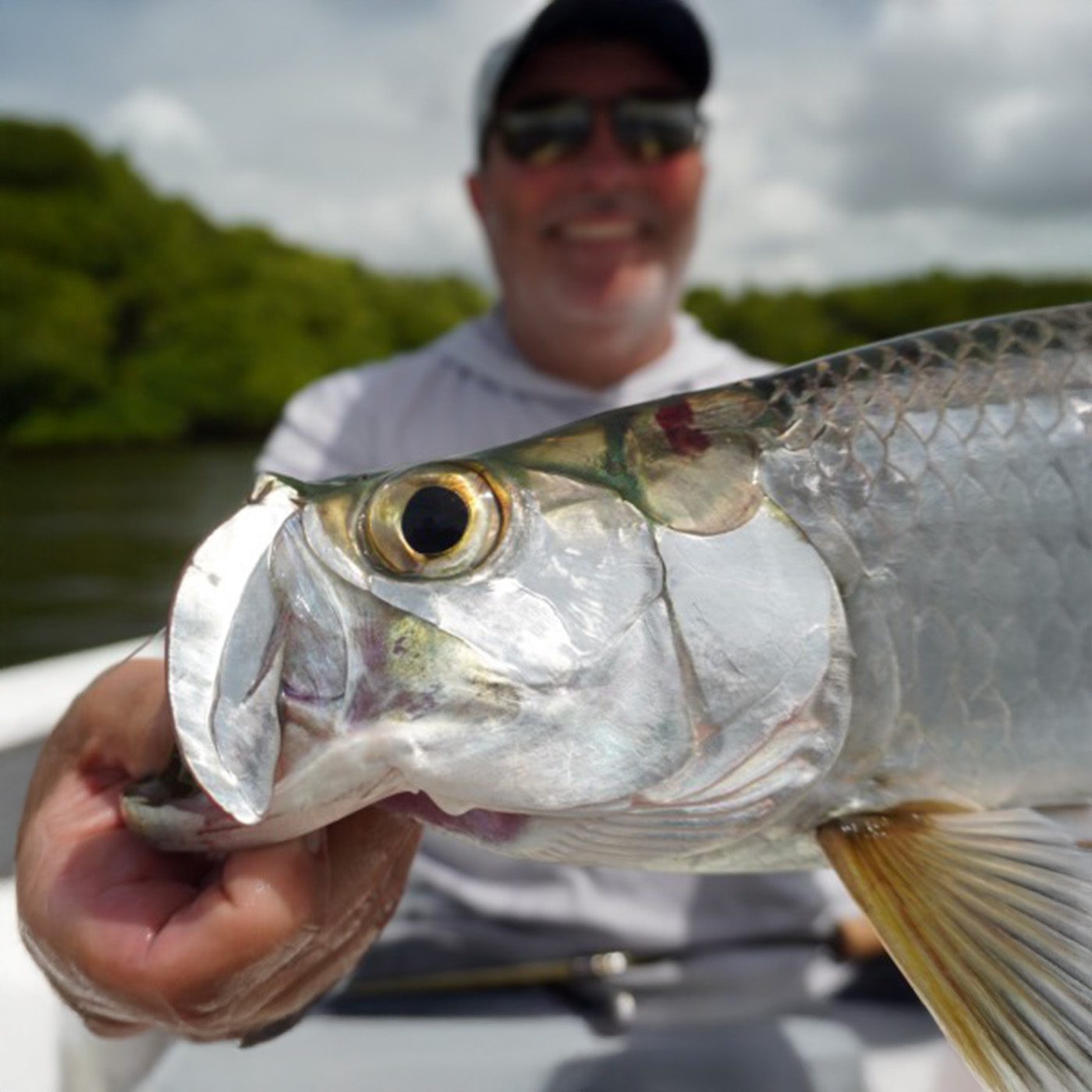
One of the most striking features of tarpon is their large, reflective scales. These scales, which can measure up to three inches across, give the fish their signature silver sheen while also providing protection and camouflage.
3. Mouth and Feeding Apparatus
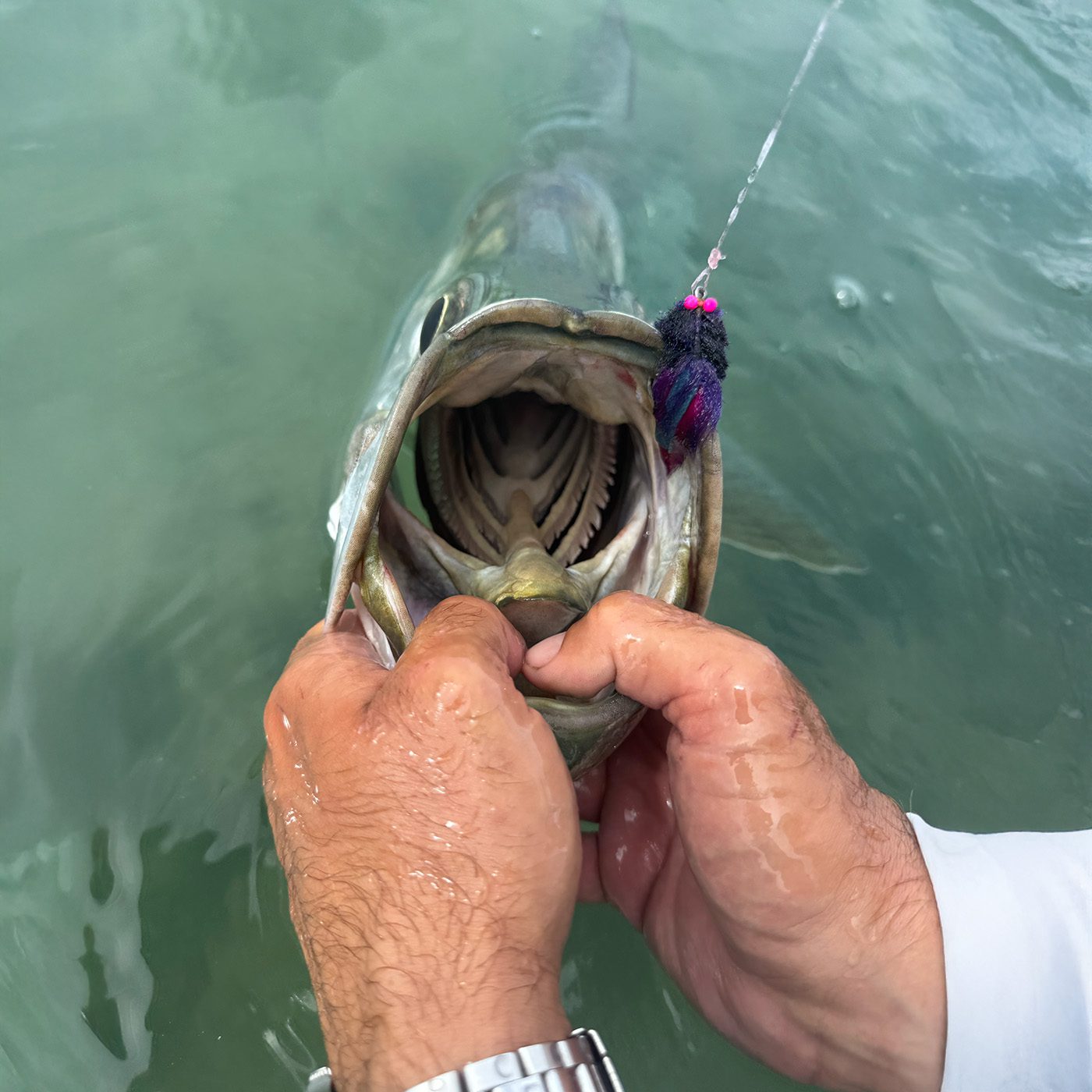
Tarpon have a bony, upward-facing (superior) mouth lined with fine teeth. Designed for suction feeding, they quickly inhale prey such as sardines, mullet, and crustaceans.
4. Swim Bladder
Tarpon possess a modified swim bladder that allows them to gulp air from the surface. This unique adaptation enables them to survive in oxygen-poor environments like estuaries and lagoons.
5. Eyes and Vision
Tarpon have large eyes with a reflective layer called the tapetum lucidum, which enhances vision in low-light conditions, especially during dawn and dusk.
Tarpon Behavior and Habitat
Understanding tarpon behavior requires knowledge of their life cycle, feeding patterns, and migratory habits. Their behavior changes depending on environment and life stage.
1. Habitat Preferences
- Juvenile Tarpon: Found in brackish estuaries, mangroves, and lagoons where they benefit from protection and low oxygen tolerance.
- Adult Tarpon: Found in coastal waters, river mouths, reefs, and offshore environments during migration.
2. Feeding Behavior
Tarpon are opportunistic feeders that prey on baitfish and crustaceans. Feeding patterns are influenced by:
- Time of Day: Most active at dawn and dusk
- Tides: Moving water increases feeding activity
- Season: Feeding intensifies during spawning migrations
3. Breathing and Surfacing
Tarpon frequently surface to gulp air, a behavior that allows them to survive in oxygen-depleted waters and avoid predators.
4. Migration Patterns
Adult tarpon migrate long distances annually, driven by temperature, salinity, and spawning cycles. Large schools often form along coastlines during peak seasons.
Tarpon Spawning and Reproduction
1. Spawning Grounds
Tarpon spawn offshore in deep, warm waters where currents aid in dispersing larvae.
2. Timing
Spawning typically occurs from late spring to early summer when water temperatures reach 78°F to 82°F, often around full and new moons.
3. Reproductive Strategy
Tarpon release millions of eggs during spawning. The larvae drift with ocean currents before settling into estuaries and mangroves.
Predators and Threats
- Predators: Sharks, alligators, and large fish prey on juvenile tarpon
- Habitat Loss: Coastal development and pollution threaten nursery habitats
- Fishing Pressure: Improper handling during catch-and-release can impact survival
Tips for Anglers
- Use the Right Gear: Heavy-duty rods, reels, and abrasion-resistant leaders
- Select the Right Bait: Mullet, sardines, crabs, or matching local forage
- Focus on Timing: Fish during dawn, dusk, and moving tides
- Watch for Rolling: Surfacing tarpon indicate active fish
- Practice Catch-and-Release: Minimize handling and properly revive fish
Conclusion
Tarpon are extraordinary creatures that captivate anglers and marine enthusiasts alike. By understanding their anatomy and behavior, you can improve your fishing success while helping conserve this iconic species. Whether you’re chasing your first tarpon or refining your technique, the silver king offers an unforgettable experience on the water.