Understanding Snook Anatomy and Behavior
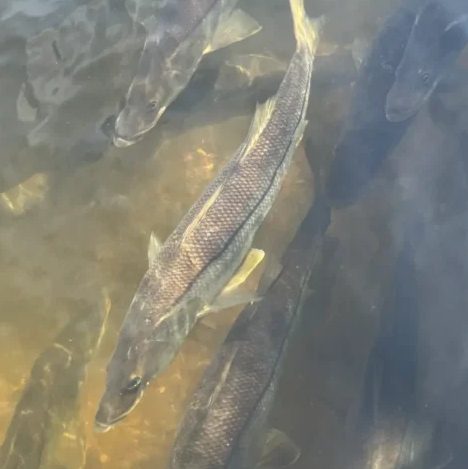
Snook (Centropomus spp.) are iconic game fish highly prized by anglers along the tropical and subtropical coasts of the Americas. Known for their striking appearance, fierce fighting ability, and delectable table fare, snook are a cornerstone of inshore fishing. To truly appreciate these remarkable fish and improve your success in catching them, it’s essential to delve into their anatomy and behavior. This article provides a comprehensive look at what makes snook such a unique species.
Anatomy of a Snook: Form and Function
Snook anatomy is tailored for survival in dynamic coastal environments. Every aspect of their physical structure serves a specific function, making them efficient predators and resilient survivors.
1. Size and Shape
Snook are elongated, streamlined fish with a distinct lateral line that runs the length of their body. This feature, combined with their tapered shape, allows for agile swimming and rapid bursts of speed. Snook can grow up to 48 inches and weigh over 50 pounds, with females generally larger than males.
2. Coloration
The coloration of snook varies depending on their habitat, ranging from bright silver in clear waters to darker, greenish hues in tannic or muddy environments. This adaptive coloration provides excellent camouflage, helping them blend into their surroundings to avoid predators and ambush prey.
3. Lateral Line
One of the most distinctive features of snook is their pronounced lateral line, which is more visible than in many other fish species. This sensory organ detects vibrations and changes in water pressure, enabling snook to locate prey even in low-visibility conditions.
4. Mouth and Teeth
Snook have large, slanted mouths equipped with fine, sandpaper-like teeth. Their jaws are powerful, allowing them to suck in prey with a sudden burst of suction. This feature is particularly effective for ambushing fast-moving prey.
5. Fins
Snook are equipped with sharp dorsal fins that provide stability and maneuverability. Their pectoral fins enable precise movements in tight spaces, while the broad caudal (tail) fin generates powerful propulsion, essential for chasing prey or escaping predators.
6. Swim Bladder
The swim bladder in snook plays a vital role in buoyancy control, allowing them to hover effortlessly in the water column. This adaptation is particularly useful for their ambush-style hunting behavior.
Snook Behavior: Adaptability and Survival
Snook are highly adaptive fish with behaviors shaped by their environment, seasonal changes, and life cycle. Their habits reveal much about their resilience and why they thrive in diverse habitats.
1. Habitat Preferences
Snook are euryhaline, meaning they can tolerate a wide range of salinities. They are commonly found in:
- Mangroves and Estuaries: Shelter and abundant food for juvenile and adult snook.
- Grass Flats: Ideal hunting grounds, especially during higher tides.
- Beaches: Adult snook patrol the surf zone, particularly during spawning season.
- Canals and Docks: Manmade structures offer ambush points and refuge.
2. Feeding Behavior
Snook are carnivorous, opportunistic feeders with a diet consisting primarily of fish and crustaceans.
- Ambush predators using structure to strike prey with explosive speed.
- More active at night, especially under low-light conditions.
- Outgoing tides often provide the best feeding opportunities.
3. Breathing Adaptations
Snook rely on well-oxygenated water and are often found near currents or areas with steady water movement.
4. Social Behavior
- Juveniles are often solitary and rely on structure for protection.
- Adults may form small groups, especially during spawning season.
5. Migratory Patterns
- Winter: Move to deeper, warmer waters like canals and rivers.
- Summer: Move to beaches, passes, and inlets for spawning.
Spawning and Reproductive Behavior
1. Spawning Season
Spawning occurs during warmer months, typically from late spring to early fall when water temperatures exceed 75°F. Activity peaks around new and full moons.
2. Spawning Sites
Snook gather near passes, inlets, and beaches to spawn where conditions are ideal for egg dispersal.
3. Hermaphroditism
Snook are protandrous hermaphrodites, starting life as males and transitioning to females later, maximizing reproduction.
4. Eggs and Larvae
Females release thousands of eggs that drift with currents. Larvae settle in protected estuaries to grow.
Predators and Threats
- Natural Predators: Larger fish, birds, sharks, and dolphins.
- Habitat Loss: Coastal development and pollution.
- Fishing Pressure: Overfishing and poor handling practices.
- Temperature Sensitivity: Vulnerable to cold snaps.
Conservation Efforts
- Fishing regulations such as slot limits and seasonal closures.
- Habitat restoration of mangroves and estuaries.
- Stocking programs to boost populations.
- Education on proper catch-and-release techniques.
Tips for Anglers
- Use the Right Gear: Medium to heavy setups with braid and fluorocarbon leaders.
- Choose the Right Bait: Live bait or artificial lures like jerkbaits and topwater plugs.
- Target Structure: Docks, mangroves, jetties, beaches, and passes.
- Fish the Tides: Outgoing tides are often best.
- Be Stealthy: Quiet approach and accurate casting are key.
Conclusion
Snook are extraordinary fish that exemplify adaptability and resilience. Their unique anatomy and behaviors make them a fascinating subject for anglers and marine enthusiasts alike. By understanding their biology and habits, you can improve your success on the water while helping conserve this vital species. Whether fishing mangroves or beaches, snook provide an unforgettable experience.