Chapter 10: Understanding Tides
Posted on September 22, 2026
The Complete Guide to Fishing Florida’s Tides
Fly Fishing Academy | Tampa Bay Guide Service
If there is one factor that influences saltwater fish behavior more than any other, it’s the tide.
Every day along Florida’s Gulf Coast, millions of gallons of water flow in and out of bays, estuaries, mangrove shorelines, oyster bars, grass flats, creeks, and beaches. That movement does far more than change the water level—it reshapes the entire marine ecosystem.
Baitfish relocate. Shrimp leave the marsh. Crabs abandon flooded grass. Predators reposition to intercept prey. Water clarity changes. Current speeds increase or slow. Areas that were dry just hours earlier become productive feeding grounds, while places that held fish in the morning may appear lifeless by afternoon.
Understanding these changes is one of the greatest advantages an angler can develop.
At Tampa Bay Guide Service, our daily game plan starts with the tide. Before choosing a fly, before deciding where to launch, and before making the first cast, we ask one simple question:
“How is the tide shaping today’s opportunity?”
Whether you’re fly fishing the mangrove shorelines of Sarasota, the expansive grass flats of Tampa Bay, the estuaries around Bradenton, or the backcountry waters of Punta Gorda, learning to understand tides will help you predict fish movement with far greater confidence.
This chapter will teach you not only what the tides are doing—but why fish respond the way they do.
What Creates the Tide?
Tides are caused primarily by the gravitational pull of the moon, with additional influence from the sun and the Earth’s rotation.
As the moon’s gravity pulls on Earth’s oceans, water rises in some locations and falls in others, creating the familiar cycle of incoming and outgoing tides.
For anglers, this means one important thing:
Moving water moves fish.
While many people focus only on high tide or low tide, experienced fly anglers pay closer attention to the movement between them, because that’s when the ecosystem is most active.
Why Tides Matter to Fish
Fish don’t simply react to water depth.
They react to everything the tide changes.
Every tide affects:
- Current speed
- Food availability
- Water temperature
- Oxygen levels
- Water clarity
- Bait movement
- Access to structure
- Predator positioning
When the tide changes, fish change with it.
Understanding these patterns allows anglers to anticipate where fish will be before they arrive.
Incoming Tide
The incoming tide is often associated with opportunity.
As clean Gulf water pushes into bays and estuaries, it floods grass flats, mangrove roots, oyster bars, and marsh edges that may have been dry only hours before.
This newly flooded habitat becomes alive with food.
Shrimp emerge from hiding.
Crabs leave their burrows.
Baitfish spread into shallow water.
Predators quickly follow.
Where Fish Position
During an incoming tide, look for:
- Mangrove shorelines
- Newly flooded grass
- Oyster edges
- Small points
- Creek entrances
- Shoreline indentations
Species like snook and redfish often move surprisingly shallow during this period, taking advantage of access to food that wasn’t available during lower water levels.
High Tide
High tide provides fish with the greatest amount of available habitat.
While this sounds positive, it often makes locating fish more challenging.
Instead of being concentrated, fish may spread throughout acres of flooded mangroves, grass, and shoreline cover.
Rather than fishing randomly, identify features that still funnel bait:
- Points
- Small drains
- Shoreline cuts
- Isolated oyster bars
- Mangrove pockets
These areas continue to concentrate feeding activity even when water is at its highest.
Outgoing Tide
If there’s one tide that consistently excites experienced guides, it’s the outgoing tide.
As water leaves the marsh, it carries everything living within it.
Shrimp.
Crabs.
Finger mullet.
Glass minnows.
Juvenile baitfish.
All of this forage is forced toward predictable exits.
Predators know this.
Rather than chasing food, they simply wait.
Prime Outgoing Tide Locations
Look for:
- Creek mouths
- Mangrove drains
- Channel intersections
- Oyster points
- Sand points
- Shoreline funnels
These locations often become natural feeding stations where fish expend very little energy while intercepting prey.
Low Tide
Low tide concentrates fish.
Large expanses of shallow water become inaccessible, forcing fish into predictable holding areas.
Common low-tide locations include:
- Deeper potholes
- Channels
- Creek bends
- Drop-offs
- Residential canals
- Marina basins
For anglers, low tide is one of the best times to learn a new fishery.
Structure that remains hidden during high water suddenly becomes visible, revealing oyster bars, grass edges, depressions, and travel routes you’ll use throughout the year.
Current Is More Important Than Water Level
One of the biggest misconceptions in saltwater fishing is that “high tide is best” or “low tide is best.”
The reality is much more nuanced.
Fish often respond more strongly to current than to the actual water level.
Moving water delivers food.
It carries scent.
It creates oxygen-rich conditions.
It forms ambush points.
Slack water, by comparison, often produces slower feeding because very little food is being transported.
Instead of focusing only on the tide chart, pay attention to how quickly the water is moving and where that movement is concentrating bait.
Tides and Different Species
Not every fish responds to the tide in the same way.
Snook
Snook often position close to structure where current delivers bait directly to them.
During incoming water, they move tight to flooded mangroves.
On falling water, they commonly hold near creek mouths, dock pilings, and drains.
Redfish
Redfish thrive on changing tides.
High water allows them to push deep into flooded grass in search of crabs and shrimp.
Falling tides often pull them back toward potholes, grass edges, and channels where food is funneled.
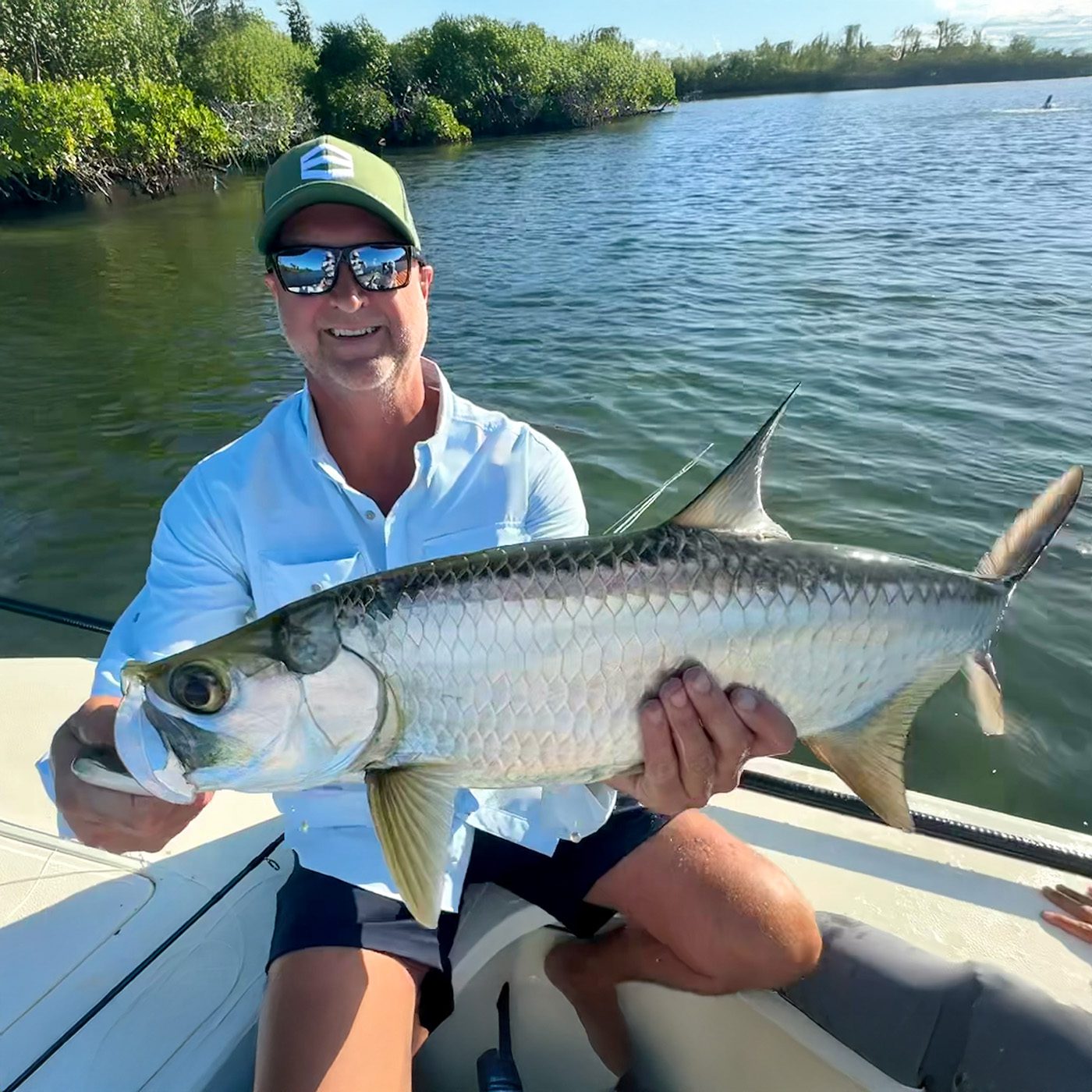
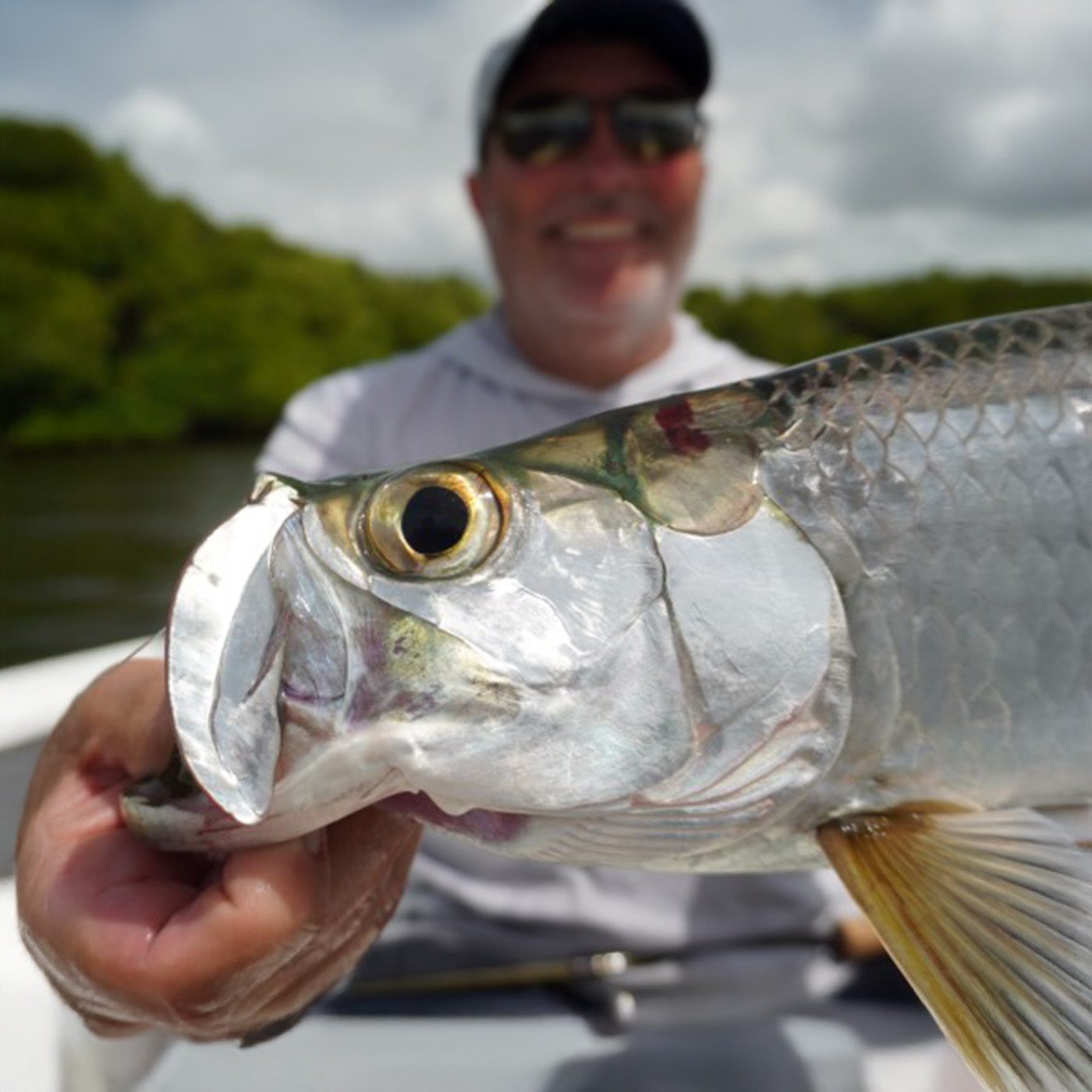
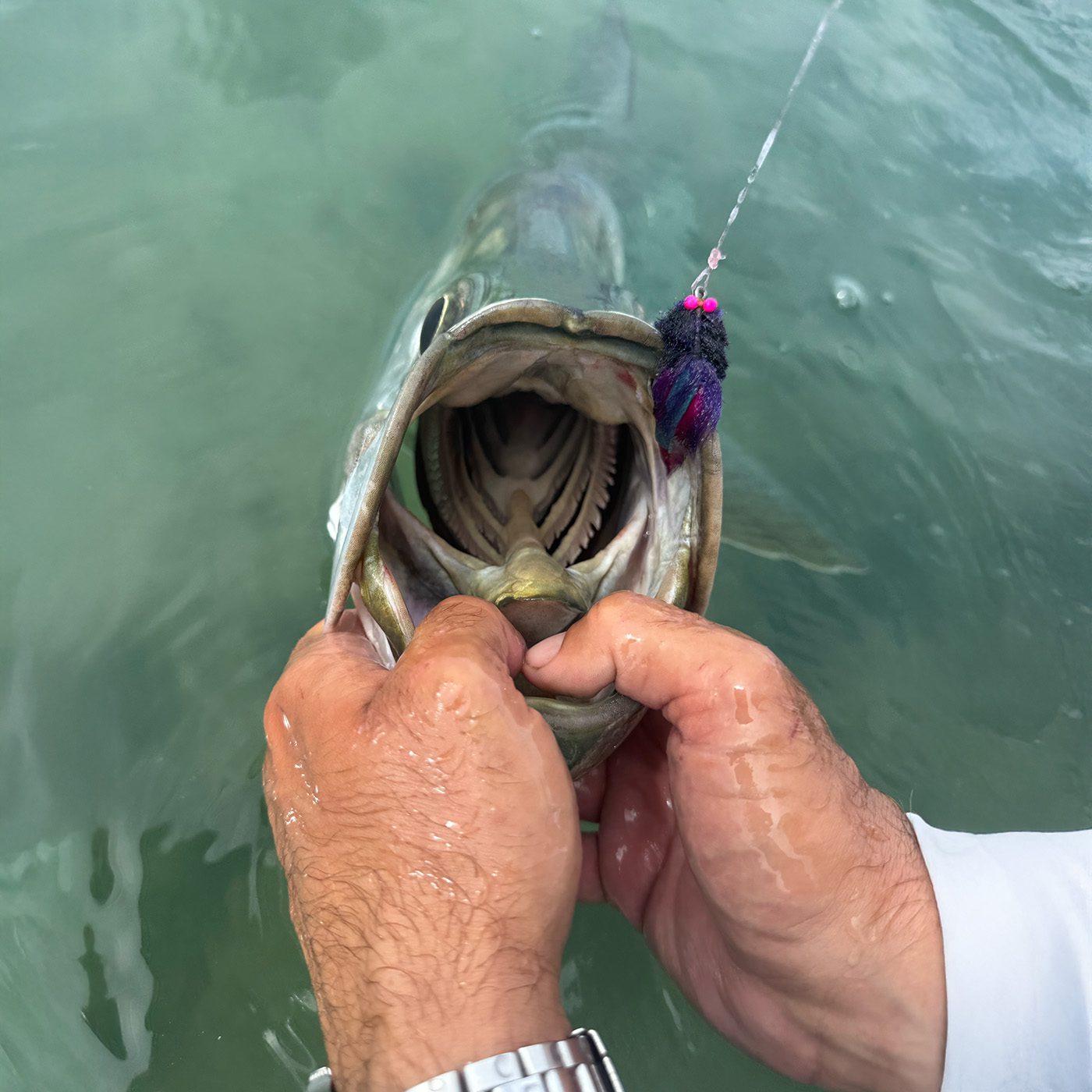
Tarpon
Tarpon frequently use tidal current to their advantage, especially around bridges, passes, beaches, and channel edges.
Strong moving water often concentrates baitfish, creating ideal feeding opportunities.
Permit
Permit commonly respond to tides by moving between deeper staging areas and shallow feeding flats.
Understanding the timing of these movements is often the difference between seeing permit and actually getting a shot at them.
Wind and Tide Together
Wind and tide should never be evaluated separately.
A strong wind pushing against the tide can slow current, create rough surface conditions, and muddy shallow water.
When wind and tide move together, current often accelerates, creating stronger feeding lanes.
Every successful guide considers both variables before deciding where to fish.
Reading Tide Charts
Tide charts tell you when water levels change.
They don’t tell you:
- Water clarity
- Wind effects
- Local current speed
- Bait movement
- Fish activity
Treat tide charts as the beginning of your planning—not the final answer.
The best anglers combine tide predictions with on-the-water observations.
Common Tide Mistakes
Avoid these common misconceptions:
- Believing only high tide produces fish.
- Leaving because the tide appears slow.
- Ignoring current direction.
- Fishing yesterday’s productive area at today’s wrong tide.
- Forgetting that wind can dramatically alter local water levels.
- Chasing fish instead of predicting where the tide will move them.
Building a Tide Strategy
Before every trip, ask yourself:
- Is the tide incoming or outgoing?
- Where is the strongest current?
- Where will bait naturally travel?
- Which structures create current breaks?
- Where can predators feed while conserving energy?
- How will the wind influence today’s tide?
Answering these questions creates a plan before you ever leave the dock.
Frequently Asked Questions
What is the best tide for fly fishing?
There is no universal “best” tide. Many experienced anglers prefer periods of moving water because current transports food and positions predators, but the most productive stage depends on the species, location, season, and conditions.
Is incoming or outgoing tide better?
Both can be excellent. Incoming tides often open new feeding areas by flooding structure, while outgoing tides concentrate bait as water drains from marshes and mangroves. Understanding how each affects your target species is more important than choosing one over the other.
Why do fish feed better during moving water?
Moving water carries bait, scent, and oxygen while creating predictable ambush opportunities. Fish can often feed more efficiently with less energy when current delivers food directly to them.
Should I fish during slack tide?
Slack tide can still produce fish, especially if other factors such as bait concentration or structure are favorable, but activity often slows because there is less current transporting forage.
Final Thoughts
Tides are the heartbeat of Florida’s coastal fisheries. Every rise and fall reshapes the underwater world, changing where bait travels, how predators feed, and which areas offer the greatest opportunity.
The anglers who consistently find fish aren’t simply checking tide charts—they’re learning to interpret how water movement interacts with structure, wind, current, and seasonal patterns.
Whether you’re exploring the expansive flats of Tampa Bay, working the mangrove shorelines of Sarasota, poling quietly through Bradenton’s backwaters, or targeting fish around Punta Gorda, understanding the tide will help you make smarter decisions before your first cast.
Master the tide, and you’ll begin to see every shoreline, creek mouth, grass flat, and oyster bar differently. Instead of wondering where the fish are, you’ll start predicting where they should be—and that’s when saltwater fly fishing becomes truly rewarding.
In Chapter 11, we’ll build on this foundation by exploring how water temperature influences fish metabolism, seasonal movement, feeding behavior, and species distribution throughout Florida’s Gulf Coast.