Understanding Redfish Anatomy and Behavior
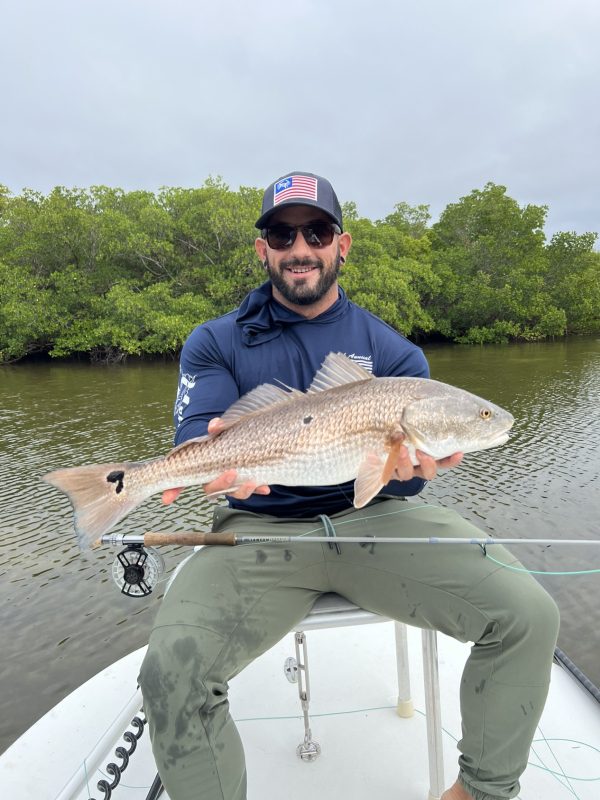
Redfish, also known as red drum (Sciaenops ocellatus), are one of the most iconic and sought-after game fish along the southeastern and Gulf coasts of the United States. Known for their striking copper-bronze coloration and characteristic black spots near the tail, redfish captivate anglers and marine enthusiasts alike. To truly appreciate these fish and enhance your ability to catch them, it’s important to understand their anatomy and behavior. This article explores the fascinating biology and habits of redfish, providing valuable insights for both fishing enthusiasts and conservationists.
Redfish Anatomy: Built for Survival
The anatomy of redfish reflects their adaptability and resilience in diverse marine environments. Each feature serves a specific purpose that aids in their survival and contributes to their status as apex inshore predators.
1. Size and Shape
Redfish have elongated, slightly compressed bodies that are well-suited for swimming in both shallow estuaries and deeper offshore waters. Adult redfish typically range from 20 to 40 inches in length and can weigh over 50 pounds, although larger specimens are not uncommon.
2. Coloration and Spots
The copper-bronze coloration of redfish provides effective camouflage in their natural habitats, such as seagrass beds, sand flats, and muddy bottoms. The most distinctive feature of redfish is the black spot (or spots) near the base of the tail. While the exact purpose of these spots remains debated, they are thought to confuse predators by mimicking an eye and diverting attacks away from the head.
3. Fins and Locomotion
Redfish have a powerful caudal (tail) fin that propels them through the water with bursts of speed, essential for escaping predators and chasing prey. Their pectoral, dorsal, and pelvic fins provide stability and maneuverability, allowing them to navigate through tight spaces and changing currents.
4. Mouth and Teeth
Redfish have downward-facing mouths, perfectly adapted for bottom feeding. They lack sharp teeth but have strong pharyngeal plates, which help them crush hard-shelled prey such as crabs and mollusks. This ability makes them opportunistic feeders capable of thriving in various environments.
5. Lateral Line System
The lateral line running along the sides of their body is a sensory organ that detects vibrations and movement in the water. This feature is crucial for locating prey, especially in murky or low-visibility conditions.
6. Swim Bladder
Redfish possess a swim bladder that aids in buoyancy control and contributes to their ability to produce drumming sounds. These sounds are used during courtship and as a form of communication, giving the redfish its nickname, “drum fish.”
Redfish Behavior: Adaptability and Patterns
Redfish are highly adaptable creatures with behaviors influenced by their environment, life stage, and seasonal changes. Understanding these patterns can greatly enhance fishing strategies and conservation efforts.
1. Habitat Preferences
Redfish are versatile and can be found in a variety of habitats throughout their life cycle:
- Juvenile Redfish: Shallow estuaries, marshes, and tidal creeks for protection and food.
- Subadult Redfish: Coastal bays, seagrass beds, and mud flats.
- Adult Redfish: Nearshore and offshore waters around reefs and wrecks, returning inshore to spawn.
2. Feeding Behavior
Redfish are opportunistic feeders with a diverse diet:
- Crustaceans: crabs, shrimp, and crayfish
- Mollusks: clams and shellfish
- Fish: mullet and menhaden
Feeding activity is influenced by:
- Tides: moving water increases feeding opportunities
- Time of day: most active at dawn and dusk
- Season: peak feeding often occurs in fall
3. Spawning and Reproductive Behavior
- Spawning Season: Late summer to early fall
- Courtship: Males produce drumming sounds
- Egg Production: Females release millions of buoyant eggs
- Larval Development: Larvae settle in estuaries
4. Social Behavior
Juveniles are often solitary, while subadult and adult redfish commonly form schools that improve feeding efficiency and protection.
5. Seasonal and Migratory Patterns
- Migration from inshore to offshore during spawning
- Most active in water temperatures between 65°F and 85°F
- Move to deeper or warmer waters during temperature extremes
Predators and Threats
- Predators: Larger fish, birds, sharks, and dolphins
- Habitat Loss: Coastal development and pollution
- Overfishing: Fishing pressure and bycatch concerns
Conservation Efforts
- Catch-and-release practices
- Slot size regulations
- Marine protected areas
- Stocking programs
Tips for Anglers
- Select the Right Gear: Medium to heavy tackle with braid and fluorocarbon leader
- Choose Effective Baits: Live shrimp, crabs, mullet, or artificial lures
- Target Structure: Oyster beds, grass flats, and channels
- Fish the Tides: Focus on incoming and outgoing tides
- Practice Patience: Stealth and accurate casting are key
Conclusion
Redfish are remarkable fish with fascinating anatomical features and complex behaviors. Their adaptability and resilience make them a true treasure of coastal waters. Whether you’re an angler seeking the thrill of the catch or a conservationist dedicated to protecting marine ecosystems, understanding redfish is key to appreciating their role in the aquatic world. By learning more about these incredible fish, we can ensure their populations remain healthy and abundant for generations to come.