How Water Temperature, Rainfall, and Salinity Move Inshore Fish in Southwest Florida
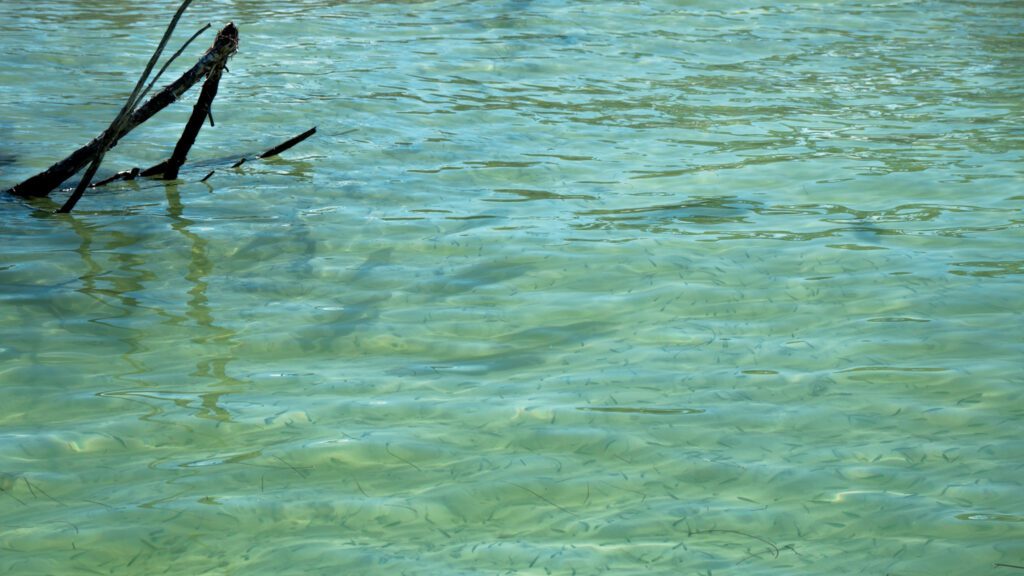
Fishing success is often attributed to choosing the right lure, finding good structure, or being on the water at the right stage of the tide. While all of those things matter, some of the most important factors controlling fish movement are happening beneath the surface.
Water temperature, rainfall, freshwater runoff, salinity, dissolved oxygen, tidal flow, and forage availability are constantly influencing where fish live and feed.
For anglers fishing Tampa Bay, Sarasota, Bradenton, Charlotte Harbor, and Punta Gorda, understanding these environmental changes can dramatically improve the ability to locate Tarpon, Snook, Redfish, Spotted Seatrout, and other inshore species.
The key is understanding one fundamental concept:
Fish do not simply move because the water gets hotter, colder, fresher, or saltier. They move because environmental changes alter their comfort, metabolism, oxygen availability, prey distribution, and feeding opportunities.
Why Water Temperature Matters to Fish
Fish are ectothermic animals, meaning their body temperature and metabolic rate are heavily influenced by the temperature of the surrounding water.
As water temperatures increase, metabolism generally increases. Fish digest food faster and often need to feed more frequently. However, warmer water also holds less dissolved oxygen than cooler water.
This creates an important balancing act during the summer months. Fish may have a higher metabolic demand for oxygen while simultaneously living in water capable of holding less oxygen.
Extremely warm, shallow water can therefore become stressful. This is one reason fish frequently reposition during the hottest months of the year.
Instead of remaining across extremely shallow flats throughout the day, fish may concentrate around deeper grass edges, channels, passes, bridges, shaded mangrove shorelines, and areas with stronger tidal circulation.
The temperature itself is only part of the equation. Moving water often means cooler water, higher dissolved oxygen, and more opportunities to feed. That combination can concentrate fish.
Water Temperature and Tarpon
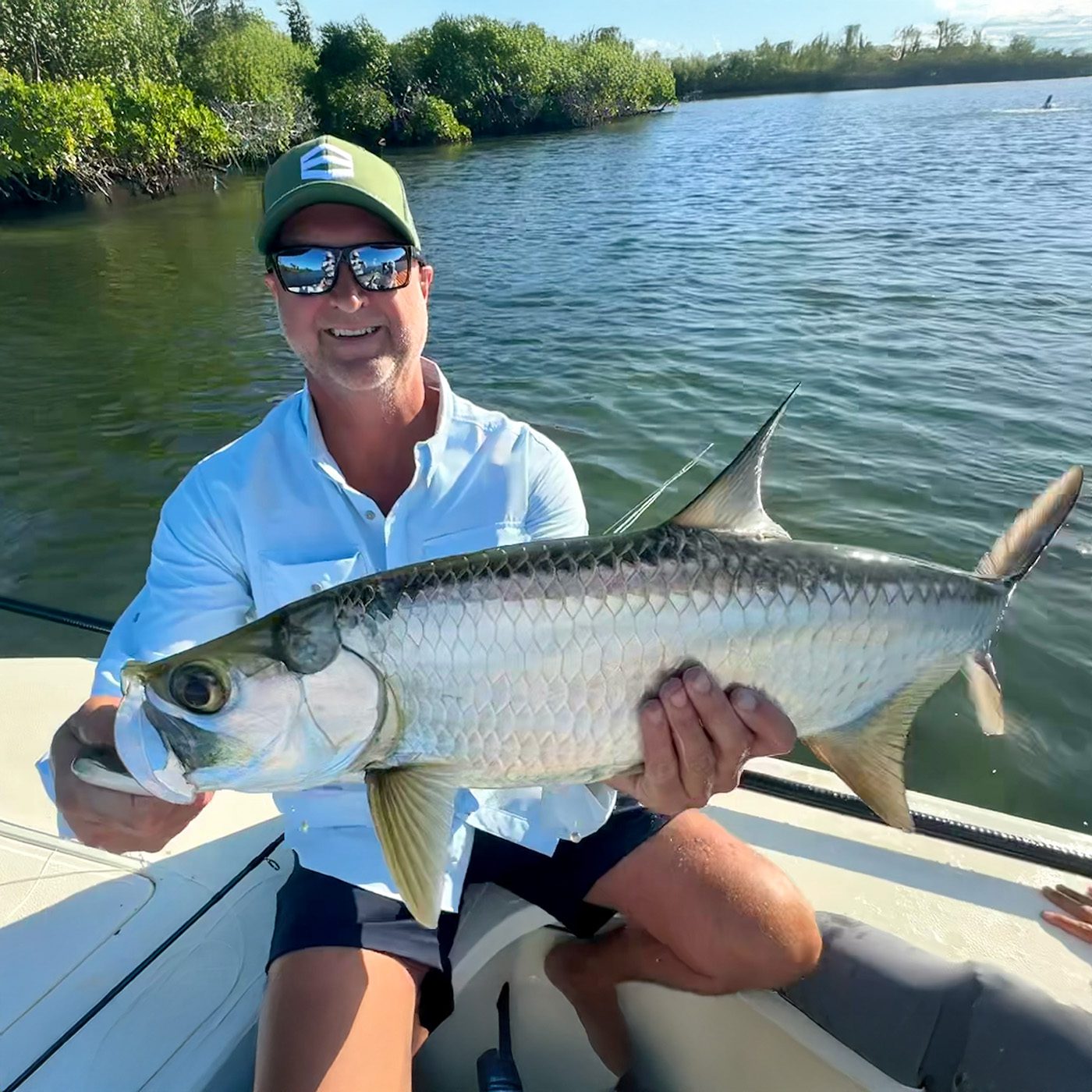
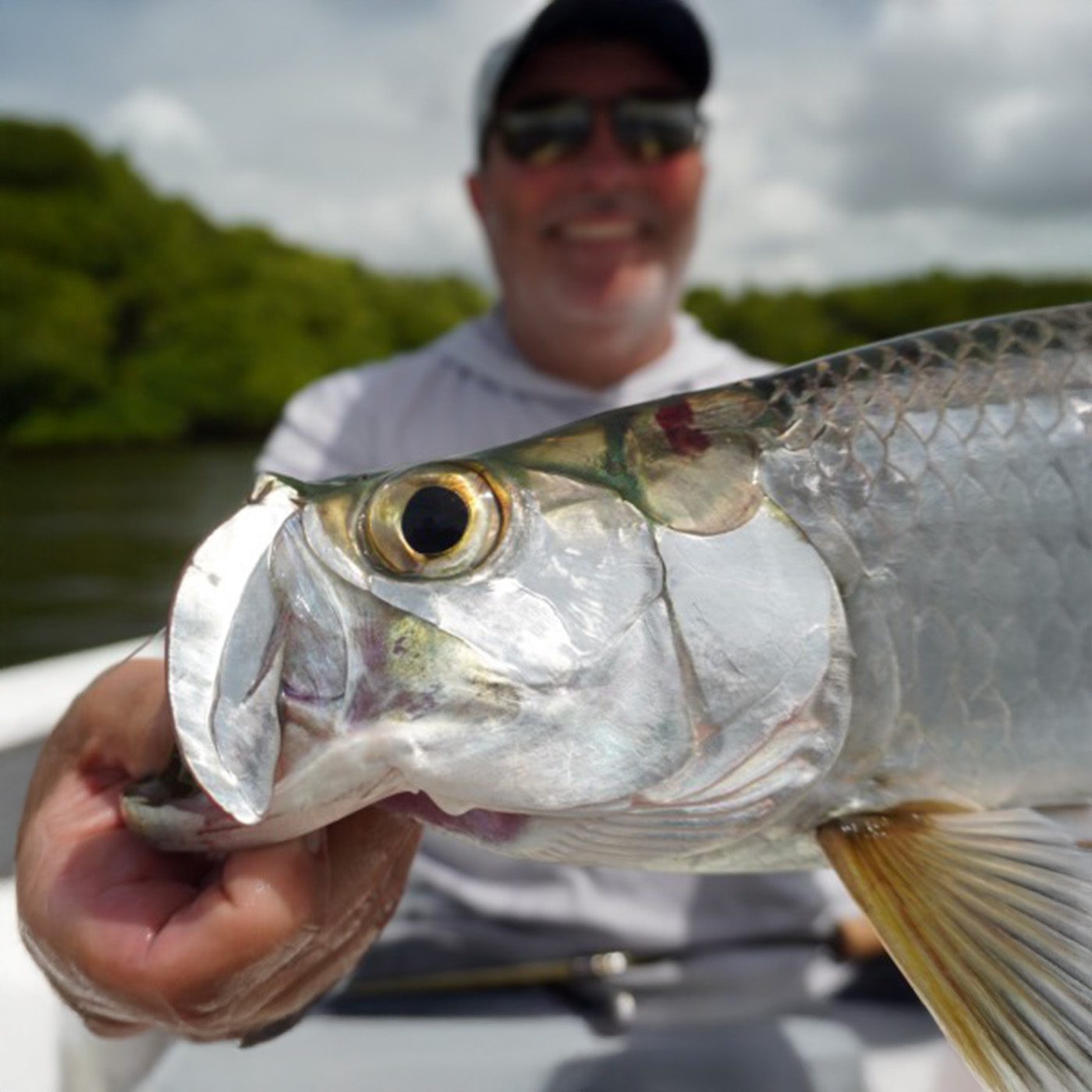
Tarpon are particularly sensitive to seasonal water temperature changes. As coastal waters warm during spring, increasing numbers of migratory Tarpon begin moving along Florida’s coastline and into major estuaries.
By late spring and early summer, Southwest Florida can offer some of the best opportunities of the year to target adult Tarpon. Water temperature influences their migration, metabolism, spawning behavior, and prey availability.
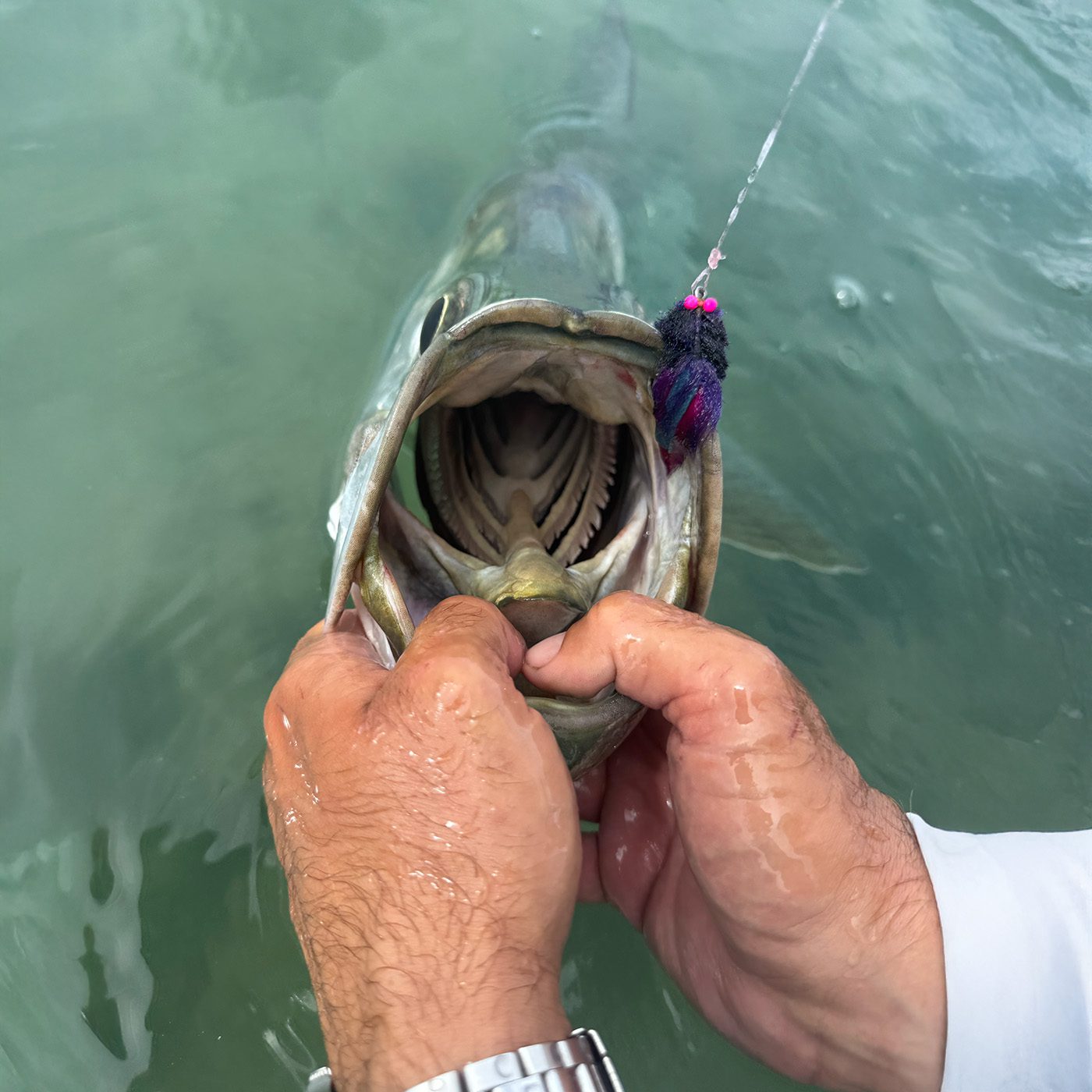
But Tarpon have an important advantage over many other fish. They can gulp atmospheric air at the surface and use their swim bladder as an accessory respiratory organ. This adaptation allows Tarpon to tolerate low-oxygen environments that would be stressful for many other species.
Juvenile Tarpon frequently use canals, creeks, ponds, and backcountry environments where dissolved oxygen can fluctuate significantly.
Adult Tarpon, however, are highly mobile. Changes in temperature, currents, wind, rainfall, salinity, and bait concentrations can cause schools of fish to reposition quickly.
During periods of extreme summer heat, Tarpon may become more active during cooler portions of the day. Early mornings, evenings, nighttime periods, strong tidal movements, and areas influenced by deeper Gulf water can become increasingly productive.
For fly anglers, understanding these movements can be the difference between fishing empty water and intercepting traveling fish.
Water Temperature and Snook
Snook are one of Florida’s most temperature-sensitive inshore gamefish. Unlike Tarpon, Snook have relatively limited tolerance for prolonged exposure to cold water.
During winter cold fronts, Snook often move into deeper canals, rivers, creeks, residential waterways, and protected backcountry areas where water temperatures remain more stable.
As temperatures rise during spring, Snook begin leaving their winter habitats. Fish spread across grass flats, mangrove shorelines, oyster bars, creek mouths, and passes.
By summer, many mature Snook migrate toward beaches, passes, bridges, and coastal structure associated with spawning activity.
Extreme heat can also influence their daily feeding patterns. During hot summer afternoons, shallow water temperatures can become uncomfortable and oxygen levels can decline.
Snook may reposition toward deeper shorelines, shaded mangroves, docks, bridges, channels, and areas experiencing stronger current.
This is why water movement is extremely important when targeting Snook. A location that appears perfect at the wrong stage of the tide may hold very few fish.
Several hours later, moving water can reduce water temperatures slightly, increase oxygen exchange, move baitfish, and create an effective feeding opportunity.
Water Temperature and Redfish
Redfish tolerate a relatively broad range of temperatures and salinities. However, temperature still strongly influences their location and feeding behavior.
During cooler months, shallow flats can warm quickly under direct sunlight. Even a temperature difference of several degrees can attract Redfish.
Dark mud bottoms, shallow protected coves, and areas receiving extended sunlight can become productive winter fishing locations.
During summer, the opposite pattern often occurs. Extremely shallow flats can become excessively warm during the afternoon.
Redfish may retreat toward deeper potholes, channels, creek mouths, mangrove edges, and areas experiencing stronger tidal circulation.
The best anglers pay attention to these subtle differences. A depth change of only a few feet can produce meaningful differences in temperature, oxygen availability, current velocity, and prey concentration.
Why Rain Changes Inshore Fishing
Rainfall is one of the most misunderstood environmental factors affecting Florida’s inshore fisheries.
One afternoon thunderstorm rarely causes an entire estuary to change overnight. But repeated heavy rainfall can dramatically influence fishing conditions.
During Florida’s rainy season, tremendous amounts of freshwater enter estuaries through:
- Rivers and creeks
- Stormwater runoff
- Canals
- Drainage systems
- Wetlands
- Groundwater discharge
- Controlled freshwater releases
This freshwater changes the salinity of the estuary. Because freshwater is less dense than saltwater, large freshwater inflows can also create vertical salinity differences within the water column.
The surface water may become significantly fresher while deeper water remains saltier. This phenomenon is known as salinity stratification.
Wind, tides, current, depth, and the shape of the estuary determine how quickly these layers mix.
How Freshwater Runoff Moves Fish
One of the most important lessons an inshore angler can learn is that different fish species tolerate different ranges of salinity.
Heavy rainfall does not simply make fish disappear. It redistributes them.
After prolonged rainfall, rivers, creeks, and upper portions of estuaries can experience substantial reductions in salinity. Some fish move toward areas with higher salinity. Others remain. And some species actively take advantage of the newly created conditions.
This creates what anglers can think of as a moving salinity gradient.
Imagine an estuary after several weeks of heavy rain. The upper harbor receives large quantities of freshwater. Salinity declines. Farther toward the Gulf, stronger tidal exchange maintains higher salinity.
Between these two environments is a constantly shifting transition zone. That transition zone can be incredibly productive.
Baitfish, shrimp, crabs, and predatory fish may concentrate along these boundaries. Finding the right water can sometimes be more important than finding traditional structure.
How Rain and Freshwater Affect Tarpon
Tarpon tolerate an extremely wide range of salinities. They can move between nearly freshwater environments and full-strength seawater.
This ability gives Tarpon an enormous advantage. Juvenile Tarpon frequently inhabit freshwater-influenced canals, rivers, creeks, and backcountry environments.
Adult Tarpon can also travel significant distances into rivers and estuaries following prey.
Heavy rainfall may change their location without necessarily driving them completely from an area. The biggest influence may be indirect.
Freshwater changes bait distribution. If schools of mullet, threadfin herring, sardines, or other prey relocate, Tarpon often follow.
Heavy runoff can also create visible color changes, current seams, and salinity boundaries. These areas can concentrate bait and create productive feeding opportunities.
For Tarpon anglers, one of the most important questions after significant rainfall should be:
Where did the bait go?
Finding the forage can lead directly to finding the Tarpon.
How Rain and Freshwater Affect Snook
Snook are remarkably tolerant of low-salinity environments. They regularly move into rivers, creeks, canals, and brackish estuaries.
Heavy rainfall can actually create excellent Snook fishing opportunities. Freshwater runoff creates current. Current moves bait.
Snook are ambush predators that frequently position themselves where moving water delivers food.
Creek mouths, spillways, culverts, bridges, canal intersections, and drainage outflows can become productive locations.
But too much freshwater can still reposition fish. After extended periods of heavy rain, Snook may move farther downstream toward areas with more stable salinity and better water quality.
The key is identifying the boundary between excessive freshwater influence and productive brackish water.
How Rain and Freshwater Affect Redfish
Redfish are also highly tolerant of changing salinity levels. They can inhabit water ranging from nearly freshwater to full-strength seawater.
This adaptability allows Redfish to remain in estuaries during significant rainfall events.
In some situations, Redfish move farther into flooded marshes, creeks, and mangrove shorelines. Heavy rainfall can increase water levels and provide access to areas that were previously too shallow.
These environments can contain abundant shrimp, crabs, baitfish, and other forage.
However, prolonged freshwater discharge can still change Redfish distribution. Fish may move toward areas where salinity, dissolved oxygen, forage, and water quality provide better feeding conditions.
Again, the important lesson is that the fish have not necessarily disappeared. They have repositioned.
How Rain Affects Spotted Seatrout
Spotted Seatrout are strongly associated with healthy estuarine environments, particularly seagrass habitats.
They tolerate changes in salinity, but significant freshwater inflows can cause Trout to move.
After periods of heavy rainfall, Trout may shift away from heavily diluted upper estuaries and concentrate closer to areas receiving stronger tidal exchange.
Deeper grass flats, channels, passes, and areas closer to the Gulf may become more productive.
During summer, deeper grass also provides another advantage. Water temperatures are often slightly cooler and oxygen conditions may be more favorable than extremely shallow flats.
The Relationship Between Rainfall and Dissolved Oxygen
Salinity is not the only thing anglers should consider after heavy rainfall. Dissolved oxygen can be equally important.
Stormwater runoff carries organic material into estuaries. Leaves, grass, soil, nutrients, and other materials eventually decompose.
The microorganisms responsible for decomposition consume oxygen. Large rainfall events can therefore contribute to lower dissolved oxygen levels, particularly in areas with poor circulation.
Warm water compounds the problem because warm water naturally holds less dissolved oxygen.
This combination can create stressful conditions:
High water temperatures + heavy organic runoff + weak circulation = potentially low dissolved oxygen.
Fish respond by searching for better conditions. That might mean deeper water. It might mean stronger current. It might mean moving toward passes. Or it might mean concentrating around areas where wind and tidal movement increase oxygen exchange.
Why Tampa Bay and Charlotte Harbor Respond Differently to Rain
Every estuary responds differently to rainfall.
Tampa Bay is a large estuarine system with multiple rivers, creeks, artificial drainage systems, bridges, channels, and connections to the Gulf of Mexico.
Heavy rainfall does not affect the entire bay equally. Upper portions of the bay may experience significant freshwater influence while areas near major passes maintain considerably higher salinity.
Charlotte Harbor is heavily influenced by freshwater entering from the Peace River, Myakka River, and Caloosahatchee-connected systems.
During periods of substantial rainfall, the salinity gradient throughout the harbor can shift dramatically.
For anglers fishing Punta Gorda and Charlotte Harbor, monitoring rainfall and freshwater flow can provide important clues about where fish may be located.
Fish that were concentrated in one section of the harbor several weeks earlier may reposition as salinity conditions change.
Finding Fish After Heavy Rain
Instead of immediately returning to locations that produced fish before a major rainfall event, anglers should begin searching for environmental boundaries.
- Look for changes in water color.
- Find current seams.
- Pay attention to baitfish concentrations.
- Look for birds feeding.
- Notice where cleaner water meets darker runoff.
- Fish creek mouths and river mouths during moving tides.
- Explore areas with stronger tidal circulation.
- Consider moving closer to major passes if upper portions of the estuary have experienced prolonged freshwater influence.
Most importantly, recognize that fish movement is often predictable when you understand what environmental conditions they are responding to.
The Role of Tides After Heavy Rainfall
Tides become especially important after prolonged rain.
An incoming tide can push higher-salinity Gulf water farther into an estuary. An outgoing tide carries freshwater runoff, nutrients, baitfish, and other organisms toward the coast.
These movements can create feeding opportunities.
A strong outgoing tide after heavy rainfall can produce defined current seams around river mouths, creek mouths, bridges, points, and channels. Predatory fish often position along these boundaries.
Meanwhile, incoming tides may temporarily improve salinity and water quality in areas closer to passes.
Understanding the interaction between freshwater flow and tidal movement allows anglers to anticipate where fish are likely to concentrate.
How Wind Adds Another Layer
Wind can significantly influence the effects of rainfall and freshwater runoff.
Persistent winds can push surface water toward one side of an estuary. Because freshwater tends to remain near the surface, wind can influence where low-salinity water accumulates.
Wind can also increase mixing. Strong winds may break down salinity stratification and mix freshwater with the saltier water below.
The direction and duration of the wind are often more important than the wind speed alone.
Several consecutive days of wind from the same direction can substantially change water levels, water clarity, bait distribution, and fishing conditions.
This is particularly important in shallow estuaries such as Tampa Bay and Charlotte Harbor.
Learning to Fish the Conditions Instead of Fishing Spots
One of the biggest differences between consistently successful anglers and those who struggle is how they approach the water.
Many anglers fish locations. Successful anglers learn to fish conditions.
A productive shoreline from last week may be empty today. A flat that held Redfish during a dry period may change after ten days of heavy rainfall. Tarpon may shift several miles because baitfish have relocated.
Snook may concentrate around freshwater outflows because runoff has created feeding opportunities.
The environment is constantly changing. Understanding those changes allows anglers to make better decisions.
Before leaving the dock, consider:
- What has the water temperature been doing?
- How much rain has fallen during the past several weeks?
- Which rivers and creeks are producing the most freshwater flow?
- Where is the strongest tidal exchange?
- Which areas have the best dissolved oxygen conditions?
- Where is the bait concentrated?
Answer those questions, and you are much closer to finding fish.
Final Thoughts
Water temperature, rainfall, and salinity are three of the most powerful forces influencing inshore fish movement.
Water temperature affects metabolism, oxygen availability, seasonal migration, and feeding behavior.
Rainfall introduces freshwater, changes salinity gradients, influences water quality, and redistributes forage.
Freshwater runoff can push some species toward higher-salinity environments while creating feeding opportunities for species capable of thriving in brackish water.
Tarpon, Snook, Redfish, and Spotted Seatrout respond differently to these changes, but they all share one behavior:
They seek environments that provide the best combination of temperature, oxygen, forage, and opportunity.
Learning to recognize those environments is one of the most valuable skills an inshore angler can develop.
At Tampa Bay Guide Service, we fish throughout Tampa Bay, Bradenton, Sarasota, Charlotte Harbor, and Punta Gorda. Understanding how weather, tides, rainfall, and changing water conditions influence fish movement is a critical part of consistently locating fish throughout the year.
Whether you are looking to sight fish for Tarpon on fly, target Snook along mangrove shorelines, or chase Redfish across shallow grass flats, learning to understand the environment will make you a more effective angler.
Ready to experience Southwest Florida’s inshore and fly fishing opportunities? Contact Tampa Bay Guide Service to plan your next fishing trip.