Understanding Sea Trout Anatomy and Behavior
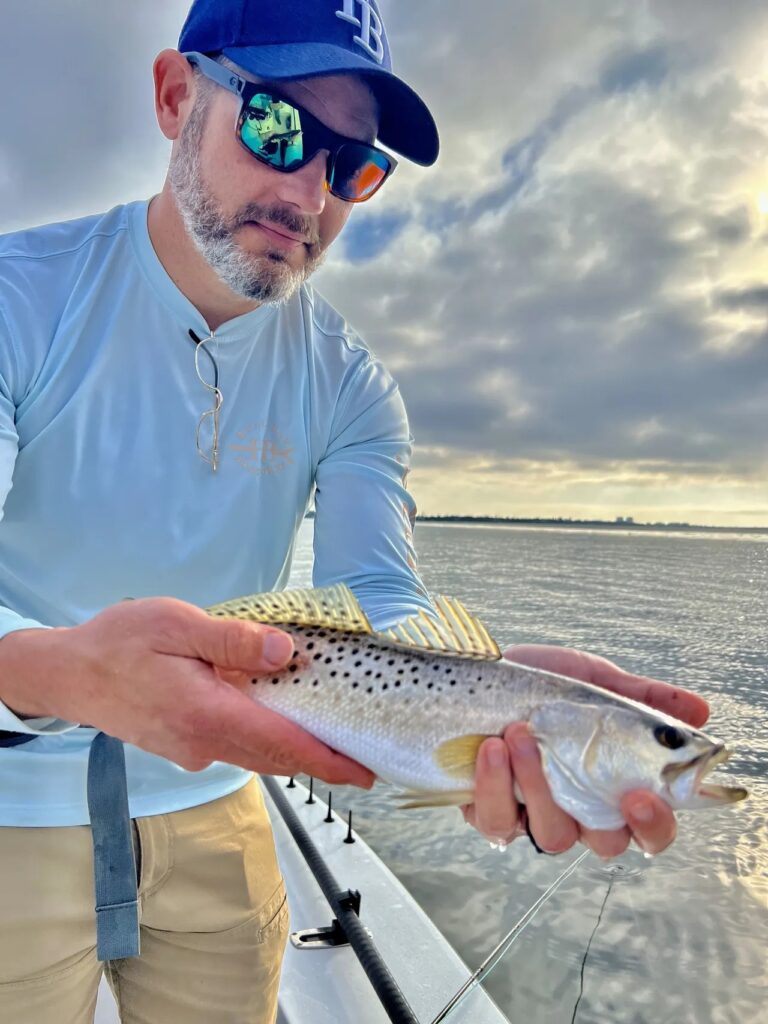
Sea trout, also known as spotted seatrout (Cynoscion nebulosus), are one of the most prized inshore game fish along the coastal waters of the Gulf of Mexico and the southeastern United States. Known for their beautiful markings, aggressive strikes, and delicious taste, sea trout are a favorite among anglers. To fish for them effectively or simply appreciate their role in marine ecosystems, it’s essential to understand their anatomy and behavior. This article explores the fascinating biology and habits of sea trout, providing valuable insights for anglers, marine enthusiasts, and conservationists.
Anatomy of a Sea Trout: A Predator Perfectly Adapted
The anatomy of sea trout reflects their role as opportunistic predators in estuarine and coastal environments. Each feature is uniquely suited to their survival and efficiency as hunters.
1. Size and Shape
Sea trout have a streamlined, elongated body that allows them to move quickly through the water. Their size can vary greatly depending on age and location, with most adult sea trout ranging from 14 to 30 inches and weighing between 1 and 10 pounds. Trophy-sized individuals, often called “gators,” can exceed 10 pounds and 30 inches in length.
2. Coloration
The sea trout’s coloration serves both as camouflage and a distinguishing feature:
- Back: Dark olive-green to bluish-gray
- Sides: Silvery with distinct black spots scattered along their flanks
- Belly: White or pale silver
This coloration helps them blend into their surroundings, whether hovering over seagrass beds or cruising sandy bottoms.
3. Fins
- Dorsal Fins: Spiny front and softer rear fin for stability
- Caudal Fin: Slightly forked tail for propulsion
- Pectoral and Pelvic Fins: Aid in precise movement and control
4. Mouth and Teeth
The mouth of a sea trout is slightly upward-facing with a large gape. They have sharp, canine-like teeth that grip prey such as shrimp and baitfish. Their feeding combines suction with a swift strike.
5. Lateral Line System
The lateral line detects vibrations and water movement, allowing sea trout to locate prey in murky water or low-light conditions.
6. Swim Bladder
Sea trout belong to the drum family and can produce drumming sounds using their swim bladder, especially during spawning.
Sea Trout Behavior: Adaptations for Survival
Sea trout behavior is shaped by environment, life stage, and seasonal changes. Understanding these patterns improves fishing success and conservation awareness.
1. Habitat Preferences
- Juveniles: Shallow marshes, tidal creeks, and estuaries
- Adults: Seagrass beds, oyster bars, sandy flats, channels, and structure
2. Feeding Behavior
Sea trout are opportunistic feeders with a varied diet:
- Crustaceans: shrimp and crabs
- Fish: mullet, pinfish, menhaden
- Cephalopods: squid and small octopus
Key feeding factors:
- Moving tides increase feeding activity
- Most active at dawn, dusk, and night
- Peak feeding in spring and fall
3. Spawning Behavior
- Season: Late spring through early fall
- Location: Estuaries and nearshore waters
- Courtship: Males produce drumming sounds
- Egg Production: Females release thousands of buoyant eggs
4. Social Behavior
- Juveniles are often solitary or in small groups
- Adults may form loose schools, while larger fish are more solitary
5. Seasonal and Temperature Movements
- Winter: Move to deeper, stable waters
- Summer: Shift to shallow or nearshore feeding areas
- Prefer moderate to high salinity but tolerate brackish water
Predators and Threats
1. Natural Predators
- Juveniles: Larger fish, birds, and crustaceans
- Adults: Sharks, dolphins, and large predatory fish
2. Habitat Loss
Coastal development and pollution threaten seagrass beds, marshes, and estuaries.
3. Fishing Pressure
Overfishing and improper handling practices can impact populations.
4. Environmental Changes
Cold snaps and harmful algal blooms like red tide can cause significant die-offs.
Conservation Efforts
- Size and bag limit regulations
- Catch-and-release best practices
- Habitat restoration projects
- Research and monitoring programs
Tips for Anglers
- Gear Selection: Light to medium tackle with braid or mono and fluorocarbon leader
- Effective Baits: Live shrimp, mullet, pinfish, or artificial lures
- Prime Locations: Seagrass beds, oyster bars, drop-offs, and channels
- Timing: Fish low-light periods and moving tides
- Stealth: Quiet approach and accurate casting
Conclusion
Sea trout are remarkable fish with fascinating anatomy and behavior. Their adaptability and role as inshore predators make them a vital part of coastal ecosystems. By understanding their habits, anglers can improve their success while supporting conservation efforts. Whether targeting trophy “gators” or enjoying their beauty in the wild, sea trout offer a rewarding connection to inshore fishing.