Understanding Sheepshead Anatomy and Behavior
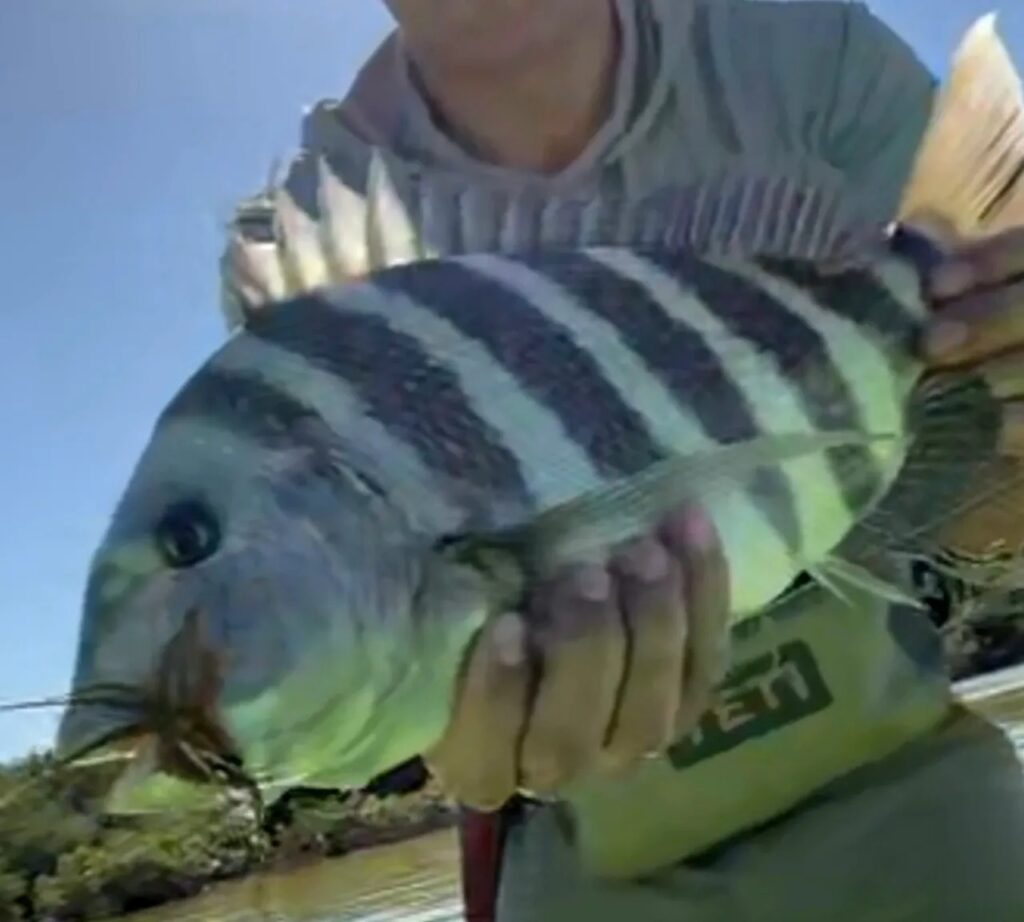
The sheepshead fish (Archosargus probatocephalus) is a fascinating species that thrives in coastal waters and is highly sought after by anglers for its unique appearance, challenging bite, and delicious taste. Known colloquially as “convict fish” due to their black and white striped pattern, sheepshead are more than just a pretty face. Their anatomy and behavior are uniquely adapted for survival in their habitat, making them an intriguing subject for marine enthusiasts and anglers alike. This article provides an in-depth exploration of sheepshead anatomy and behavior, highlighting what makes them stand out in the marine world.
Anatomy of a Sheepshead: Built for Survival
Sheepshead anatomy is designed to adapt to their diet, habitat, and environment. From their teeth to their stripes, each feature plays a critical role in their survival.
1. Size and Shape
Sheepshead are medium-sized fish with a laterally compressed body that allows them to navigate tight spaces such as oyster reefs and dock pilings. They typically range from 1 to 10 pounds, with an average length of 14 to 20 inches. Larger specimens can exceed 20 inches and weigh more than 15 pounds.
2. Distinctive Coloration
Sheepshead are easily recognized by their bold black and white vertical stripes. This coloration provides camouflage in structured environments and gives rise to their nickname, “convict fish.”
3. Teeth
One of the most unique features of sheepshead is their human-like teeth. The front teeth resemble incisors for scraping, while the rear molars are broad and flat, designed for crushing barnacles, crabs, and shellfish.
4. Fins
Sheepshead have strong dorsal and anal fins with sharp spines that deter predators. Their pectoral fins allow precise movement around structure.
5. Mouth and Jaw Structure
Powerful jaws enable sheepshead to crack open hard shells. Their thick lips protect them from sharp surfaces when feeding on reefs and pilings.
6. Lateral Line
The lateral line system is highly sensitive, allowing sheepshead to detect vibrations and locate prey in low-visibility water.
7. Swim Bladder
The swim bladder helps maintain buoyancy, allowing sheepshead to hover around structure where they feed.
Sheepshead Behavior: Adaptations for Feeding and Survival
Sheepshead behavior is shaped by their diet, habitat, and seasonal movements. Understanding these habits can greatly improve fishing success.
1. Habitat Preferences
Sheepshead prefer structure-rich environments such as:
- Oyster reefs
- Rocky jetties
- Dock pilings
- Seagrass beds
- Bridges and wrecks
2. Diet and Feeding Habits
Sheepshead primarily feed on hard-shelled invertebrates:
- Barnacles, crabs, oysters, and clams
- Shrimp and other small invertebrates
Their feeding technique involves scraping and crushing prey, making them difficult to hook due to their subtle bite.
3. Social Behavior
- Juveniles: Found in shallow estuaries and grass flats
- Adults: Form loose groups around structure, especially during spawning
4. Spawning Behavior
- Season: Late winter to early spring (February to April)
- Location: Offshore reefs, wrecks, and deep structures
- Reproduction: Females release thousands of eggs that drift before settling in estuaries
5. Seasonal Movements
- Winter: Move offshore to spawn
- Spring and Summer: Return to inshore feeding areas
- Fall: Shift toward deeper waters
Predators and Threats
1. Natural Predators
- Juveniles: Larger fish, birds, and crustaceans
- Adults: Sharks, dolphins, and large predatory fish
2. Fishing Pressure
High demand among anglers can lead to population pressure, especially during spawning periods.
3. Habitat Loss
Destruction of oyster reefs, seagrass beds, and coastal habitats poses significant threats.
4. Environmental Changes
Water quality issues, temperature fluctuations, and events like red tide can impact populations.
Conservation Efforts
- Fishing regulations such as size and bag limits
- Habitat restoration projects
- Catch-and-release best practices
- Ongoing research and monitoring
Tips for Anglers
- Gear Selection: Light to medium tackle with sensitive rod tips
- Bait Choice: Fiddler crabs, shrimp, barnacles, and sand fleas
- Rig Setup: Carolina rigs or jigheads near structure
- Location: Target docks, jetties, bridges, and reefs
- Technique: Stay alert for subtle bites and set the hook carefully
Conclusion
Sheepshead are remarkable fish with unique anatomy and behavior that make them both fascinating and challenging to catch. By understanding their habits and biology, anglers can improve their success while supporting conservation efforts. Whether admired for their bold stripes or pursued for their elusive bite, sheepshead provide a rewarding connection to coastal fishing.